

When 23-year-old Hayden Scudder began experiencing chest pain and shortness of breath, neither she nor her mother could have anticipated what would come next.
“I was thinking that maybe it had something to do with my anxiety. Maybe I had bronchitis or something,” said Hayden.
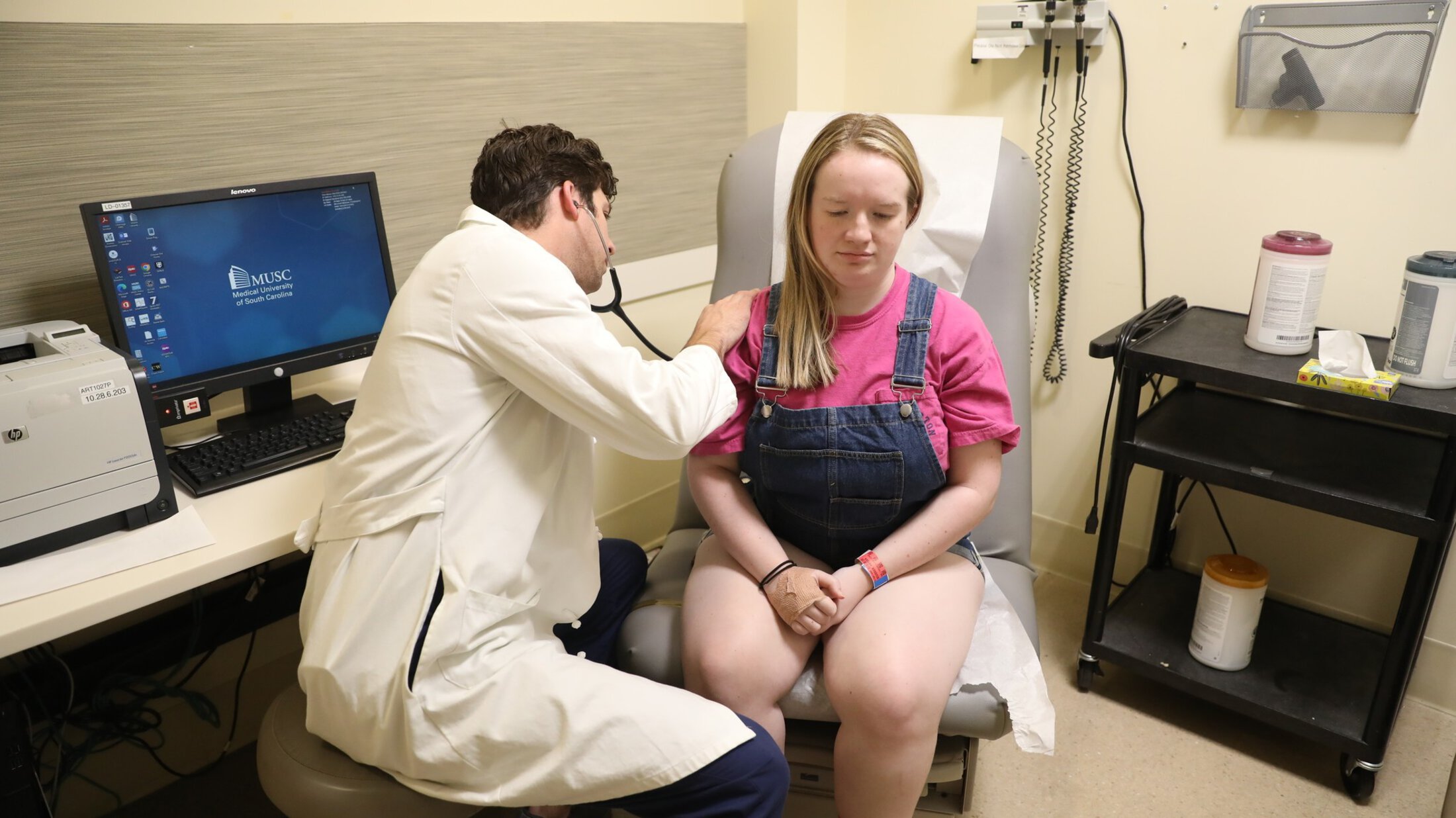
What she initially believed was something minor led her to a hospital in Columbia, where an echocardiogram revealed a hole between the upper chambers of her heart. After two unsuccessful heart catheterizations in Columbia, Scudder was referred to MUSC Health-Charleston Division, where she underwent a successful robotic cardiac surgery with cardiothoracic surgeon Mac Felmly, M.D.
“This was my first major surgery. I was probably most nervous about the concept of going under and not waking up,” said Hayden. “But it's funny because the anticipation of it was probably the worst part.”
Felmly explained that traditional heart surgery is typically performed through a sternotomy, a procedure in which surgeons make an incision down the center of the chest and divide the breastbone to access the heart. In an adult patient, that incision can range from about 6 inches to a foot long. While a sternotomy provides excellent exposure, he said, because it allows surgeons to perform a wide range of complex procedures, it also requires a longer recovery.
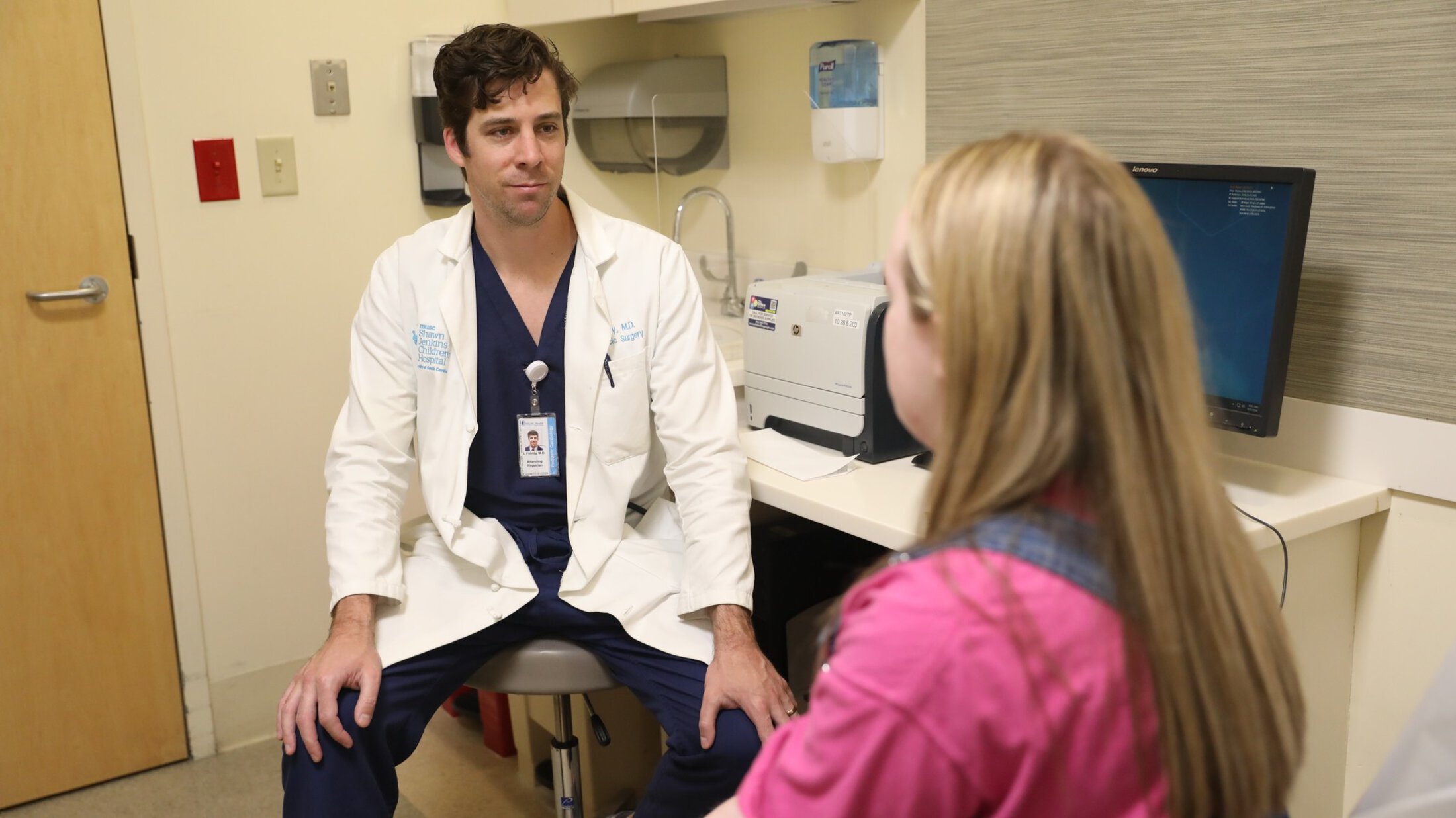
Robotic cardiac surgery is designed to achieve the same surgical outcomes through a far less invasive approach, he added. Instead of one large incision in the center of the chest, surgeons operate through several small incisions on the right side, between the ribs. Using a highly advanced robotic system, the surgeon controls four long, thin instruments that allow for precise movement and visualization.
Most of these incisions are less than a centimeter long, with the largest typically measuring only 1 to 2 inches, depending on the procedure. Because the incisions are smaller and located on the side of the chest, they are less visible than a traditional sternotomy scar.
“We want to be able to give our patients the best outcomes with the least impact on their lives. Open-heart surgery is a really big thing – often a once-in-a-lifetime thing for people who need it. So, we want to make that experience as easy as possible with the least amount of pain and the shortest recovery,” said Felmly. “We've been able to successfully treat every person we've operated on robotically with zero conversion to open procedures and zero other major adverse events.”
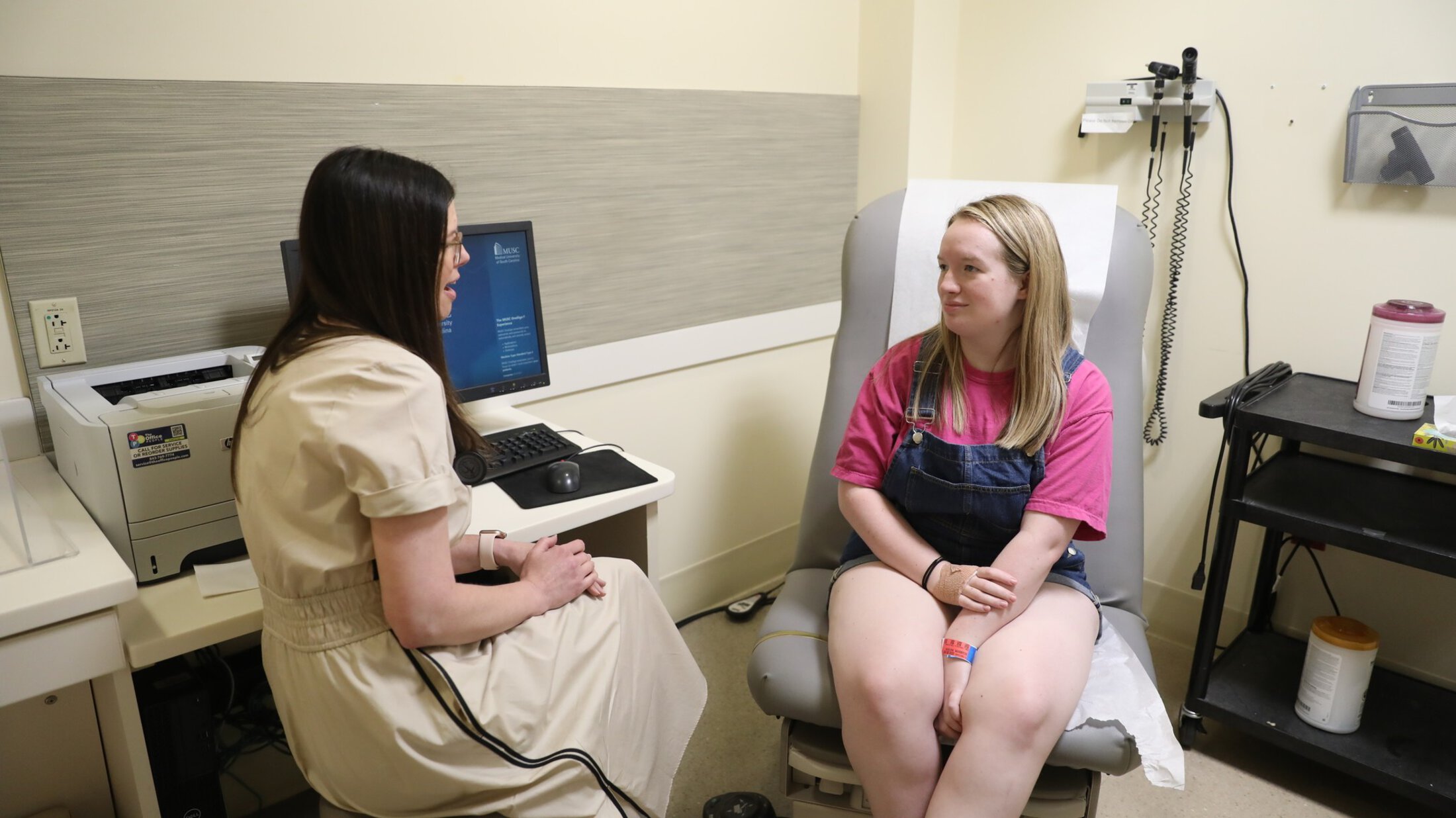
For patients like Scudder, the benefits can be significant, including a faster recovery, lower risk of infection and fewer complications related to the incision. Most importantly, many patients are able to return to their normal daily activities much sooner.
“I think the most pain I had afterward was in my back and shoulders, mainly from lying flat on the operating table for about six hours. That was probably the hardest part,” said Hayden. “As for the incisions, I really haven’t had many issues where they went in with the robot. I also had a chest tube in for a few days afterward, which was probably the most cumbersome part of recovery. But other than that, I feel good.”
Hayden’s mom, Laura Scudder, has been by her side every step of the way, from the fear she felt at her daughter’s initial diagnosis to the relief of seeing Hayden return to her normal life. She said working with Felmly and his team at MUSC Health has been everything she could have hoped for in her daughter’s care.
“Our surgeon was amazing. I was scared to death, and he was just amazing as far as keeping it real and keeping me calm,” said Laura. “He's called my phone twice since we've been back, and that's pretty impressive to me that a surgeon would call me to check on her.”
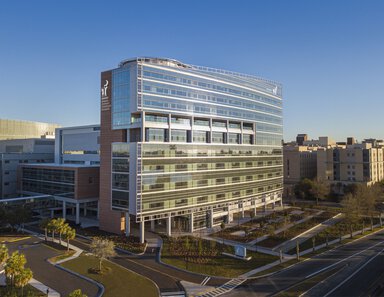
For Felmly, having a resource like robotic cardiac surgery at MUSC Health-Charleston Division embodies the innovation and advancements in patient care that the hospital system strives to provide for its patients.
“It's a fascinating way to approach treating heart disease, and it's really gratifying that we can offer a life-changing repair through tiny, little incisions; whereas they used to have a really big surgery,” said Felmly.
Now, Hayden is feeling much better and has gradually returned to her normal routine. In the weeks following surgery, she began noticing small but meaningful changes that reassured her that her recovery was on track and helped her to realize just how different things were compared with before. One moment in particular stood out to her as a clear sign of that change.
“You know when you plug your fingers in your ears, and you can hear your heartbeat? I did that for the first time since surgery, and I could literally hear the difference in the beating. It sounded the way a heartbeat should sound, and before surgery it was not like that,” said Hayden.
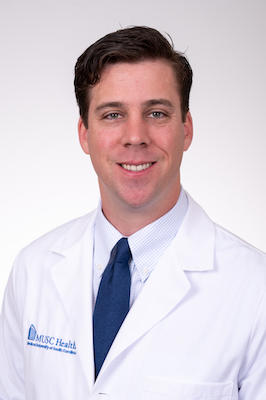
Lloyd Felmly, M.D.
- Pediatric Cardiothoracic Surgery
- Pediatric Transplant Surgery
- Charleston, SC

Kristin Merkel
Recent Enterprise stories