

Lung cancer continues to have a significant impact on families across South Carolina and remains the leading cause of cancer-related death in our state.
Here in our community, the importance of early detection is clear. Cancer data from 2019–2023 show that approximately 59% of lung cancers in Lancaster County and 65% in Chester County are diagnosed after the cancer has spread beyond the lung.
While these numbers remind us of the importance of lung cancer awareness, there is reason for optimism. Today, we have more tools than ever to help identify lung cancer earlier and support people who may be at increased risk.
As a medical oncologist, one of the most important messages I can share is this: don’t wait for symptoms to think about lung cancer.
Lung cancer may not cause noticeable symptoms in its early stages. Screening gives us an opportunity to identify concerning changes before a person feels sick. When lung cancer is found earlier, there are often more treatment options available and a greater opportunity for successful treatment.
Who should consider lung cancer screening?
Lung cancer screening is performed with a low-dose CT scan, which can identify small changes in the lungs that may not be visible on a regular chest X-ray.
Screening is recommended for certain people who are at increased risk, particularly those with a history of smoking. Talk with your healthcare provider about your risk for lung cancer. They can review your health history and help determine whether lung cancer screening is right for you.
Talk with your healthcare provider about your risk for lung cancer. They can review your health history and help determine whether lung cancer screening is right for you.
Why is early detection important?
The goal of screening is simple: to find lung cancer at an earlier, more treatable stage.
Early detection gives patients and their care teams more opportunities to consider treatment options and begin care as early as possible.
What symptoms should you pay attention to?
Screening is intended for people who do not have symptoms. However, new or persistent respiratory changes should always be discussed with a healthcare provider.
Symptoms that may need evaluation include:
- A new cough that does not go away
- A chronic cough that changes or worsens
- Coughing up blood
- Increasing shortness of breath
- Persistent chest discomfort
- Unexplained weight loss
- New or persistent hoarseness
- Repeated episodes of pneumonia or bronchitis
- Unexplained fatigue or weakness
Having one of these symptoms does not mean that you have lung cancer. Many other conditions can cause similar symptoms. The important thing is to pay attention to changes in your health and talk with your healthcare provider about persistent or concerning symptoms.
The important thing is to pay attention to changes in your health and talk with your healthcare provider about persistent or concerning symptoms.
If you smoke, you don’t have to quit alone
Quitting smoking is one of the most important steps a person can take to improve lung health, but quitting can be difficult.
MUSC Health offers services to help patients who want to quit. Patients may also have opportunities to participate in smoking cessation research, helping researchers learn more about effective ways to support people in becoming tobacco-free.
We are here to provide the support and resources that can help you take the next step toward better health.
Lung cancer care close to home
Patients in our community do not have to navigate concerns about lung cancer alone or travel far from home to begin getting answers.
MUSC Health offers lung cancer screening in our community for eligible patients, along with smoking cessation support, research opportunities and access to oncology services.
If something concerning is found, our local oncology team can help patients understand what comes next and coordinate the care they need.
Having screening, evaluation and cancer care available close to home means patients and families can receive high-quality care while remaining connected to their community and support system.
Don’t let fear keep you from screening
It is understandable to feel nervous about lung cancer screening. Some people delay screening because they are afraid of what might be found.
An abnormal scan does not automatically mean you have lung cancer. Small lung nodules are common, and many are not cancerous.
Even if lung cancer is found, detecting it early can make a significant difference. When lung cancer is small and has not spread, surgery or targeted radiation treatments may offer the possibility of a cure. Some patients can be treated successfully without needing chemotherapy.
Finding lung cancer early can make treatment more effective and may offer a greater chance for a cure.
Your healthcare team will help you understand the findings, discuss your options and determine the next best steps.
Your healthcare team will help you understand the findings, discuss your options and determine the next best steps.
The bottom line
Lung cancer is a significant health concern in South Carolina and our local communities, but screening, advances in treatment and smoking cessation support offer real reasons for optimism.
If you have a history of smoking or are concerned about your risk, talk with your healthcare provider about whether lung cancer screening is right for you. If you are ready to quit, support and research opportunities are available.
Know your risk. Talk with your healthcare provider. Early detection can make a difference.

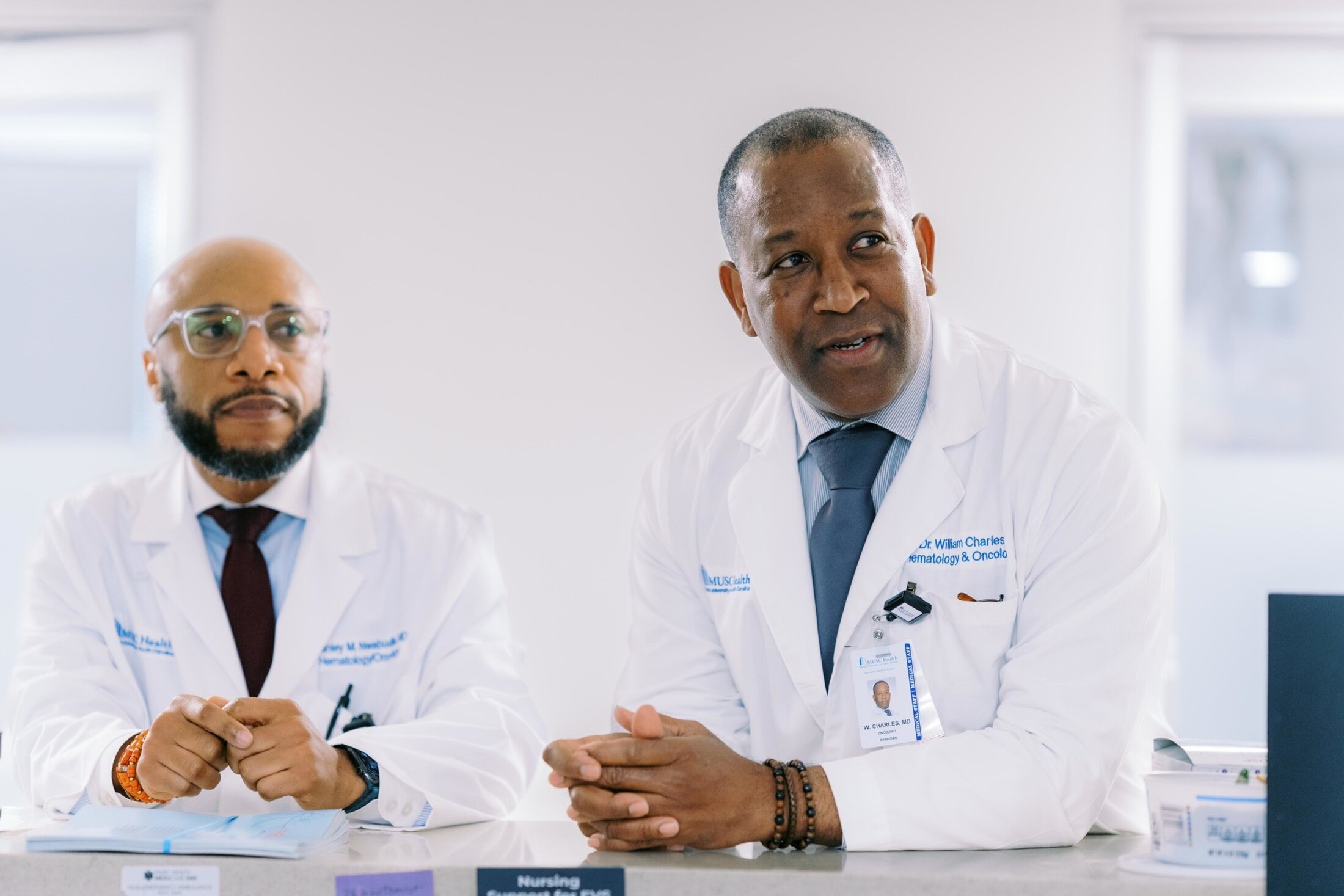
William Charles, M.D.
- Medical Oncology
- Brain & Spine Cancer
- Breast Cancer
- Colon Cancer
- Gastrointestinal Cancer
- Lung Cancer
- Pancreatic Cancer
- Lancaster, SC
Recent MUSC News stories