


Advanced Practice Provider Fellowship Program
Gain immersive, specialty-focused clinical training and mentorship designed to prepare Nurse Practitioners and Physician Assistants for success in complex care environments at MUSC Health.
Through the Advanced Practice Provider Best Practice Center (APP-BPC), MUSC Health offers various post-graduate fellowships for Nurse Practitioners and Physician Assistants. The goal is to provide an enhanced, immersive, and comprehensive APP post-graduate experience, supporting a successful and safe transition into a complex clinical practice setting. Ideal candidates are newly graduated APPs or experienced APPs who wish to change specialties. MUSC offers a wide range of fellowship tracks that cover various patient populations and practice areas – including ambulatory, inpatient, operating room, and intensive care. In addition to clinical experience, this one-year fellowship includes robust didactic curriculum, quality improvement projects, and a leadership focused journal club.
The APP BPC provides primary oversight of the various APP Fellowship tracks with support from the APP Fellowship Director, APP Fellowship Coordinators, APP Mentors, and Medical Directors. These key individuals are committed to the specialized development of the APP Fellow and provide essential mentorship and coaching to foster clinical and professional growth.
Currently, all MUSC APP Fellowship tracks complete clinical requirements at the Charleston Campus with start dates in October or February. By the end of their fellowship year, APP Fellows are highly competitive candidates poised to continue their practice at MUSC Health.
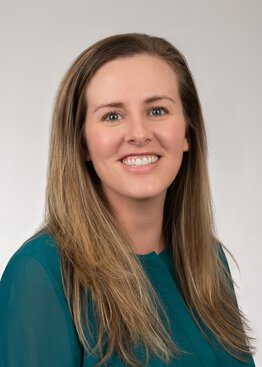
Elizabeth Poindexter, MPH, MSPAS, PA-C
MUSC APP Fellowship Director
APP Director, Hospital Medicine
APP Best Practice Center
Physician Assistant
poindex@musc.edu
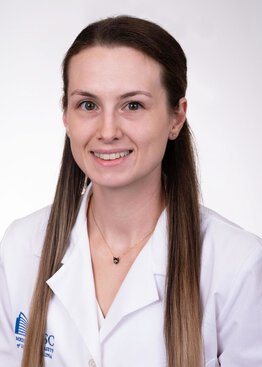
Erika Bell, MPAS, PA-C
MUSC APP Fellowship Manager
APP Manager, Professional Development and Well-being
APP Best Practice Center
Physician Assistant
bellerik@musc.edu
Our tracks
All fellowship tracks attend a standardized orientation, monthly leadership journal club, completion of a quality improvement case report, and graduation. Throughout the year, there are also dedicated Peer Support Outings and a Community Service Day, led by the APP Fellow Well-being and Philanthropic Chairs respectively.
See each track for specialty-specific information. Please note that clinical and didactic components are subject to change.
- Acute Care Surgery arrow_forward
- Cardiac Surgery arrow_forward
- Cardiology (Advanced Heart Failure) arrow_forward
- Critical Care Adult arrow_forward
- Dermatology arrow_forward
- Developmental Pediatrics arrow_forward
- Hematology-Oncology arrow_forward
- Neonatal Critical Care arrow_forward
- Nephrology arrow_forward
Acute Care Surgery (PA, AGACNP + RNFA)
The Acute Care Surgery (ACS) APP Fellow will be exposed to a wide array of specialties and practice environments within the Department of Surgery through monthly rotations that include the Surgical/Trauma/Burn ICU, burn surgery, trauma surgery, acute care and general surgery, as well as additional elective rotation opportunities.
The role of the fellowship is to better prepare APPs for practice within various aspects of the acute care surgery field, including the operating room, outpatient clinics, inpatient floors, step-down units, and the ICU. The APP fellow will have the opportunity to learn various aspects of acute care surgery, including ICU procedures, burn debridement, responding to trauma activations, and first-assist opportunities in the OR.
Fellows are also expected to participate in weekly didactic lectures, monthly grand rounds, M&M lectures, monthly journal clubs, and simulation lab training.
- Start Month: October
- Number of APPs per Year: 1
- APP License Types: PA, AGACNP + RNFA
- Schedule: Rotates between 13 twelve-hour shifts or 15 eight- to ten-hour shifts per month, including nights, weekends, and some holiday coverage.
Clinical Component
-
Rotations: Four-week rotations through various Acute Care Surgery
specialties in both inpatient and outpatient settings, including:
- Burn Surgery
- Surgical/Trauma/Burn ICU
- Trauma
- Acute Care Surgery (ACS)
- Transplant Surgery
- Surgery Clinic
-
Elective Rotations:
- Palliative Care
- Geriatrics
- Nephrology
- Physical Medicine & Rehabilitation
-
Procedures:
- First assist in the OR
- Wound debridement
- Burn management and hydrotherapy
- Central venous line placement
- Arterial line placement
- Endotracheal intubation
- Bronchoscopy
- Paracentesis
- Thoracostomy tube placement
- Hemodynamic monitoring
- Assist with bedside procedures
- Suturing and stapling
- Removal of catheters, tubes, and drains
- Responding to trauma bay activations
- Point-of-care ultrasound
Didactic Component
- Monthly Surgery Journal Club
- Surgery Grand Rounds and M&M
- Major Trauma Committee & PI, Burn Operations Committee & PI, and Critical Care QAPI (Quality Assurance and Performance Improvement)
- Weekly education sessions
- Patient case presentations
- ATLS
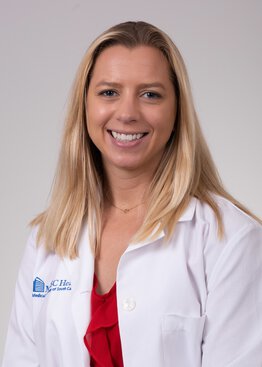
Amelia Katelyn Paine, MPAS, PA-C
Physician Assistant
APP Fellowship Coordinator, Acute Care Surgery
Cardiac Surgery (PA, AGACNP + RNFA)
This one-year fellowship focuses on intraoperative and clinical experiences, as well as a robust didactic curriculum, to provide a well-rounded education intended to fully prepare an APP for a full-time position in cardiac surgery. Ideal candidates include new APPs or experienced APPs wishing to change specialties.
The APP fellowship provides a primarily surgical training experience as a first assist in the operating room. Additional rotations on the inpatient service team, cardiothoracic ICU, and outpatient clinic allow the fellow to develop the skills needed to triage, evaluate, treat, and manage cardiac disorders at a high level of care.
Additionally, the APP Fellow will have the opportunity to learn and complete competencies on various procedures, including endoscopic saphenous vein harvest, central venous catheter placement, arterial catheter placement, and chest tube placement.
- Start Month: October
- Number of APPs per Year: 1
- APP License Types: PA, AGACNP + RNFA
- Schedule: Varied schedule based on rotation location.
Clinical Component
- OR first assist and vein harvesting
- Inpatient and clinic/pre-op rotations
- Elective rotation in the cardiothoracic ICU
Didactic Component
- Monthly educational journal club
- Weekly education sessions
- Valve conference
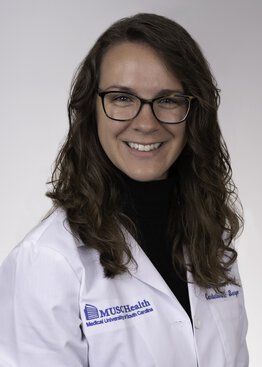
Sarah Walters, MSPS, PA-C
Physician Assistant
APP Manager – Cardiothoracic Surgery
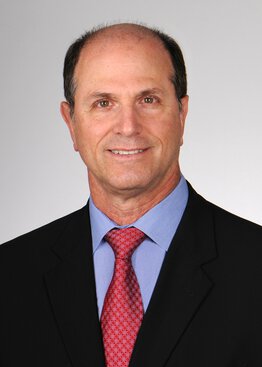
Marc R. Katz, M.D., MPH, FACS, FACC
Professor of Surgery, Division of Cardiothoracic Surgery
APP Fellowship Medical Director – Cardiac Surgery
Marc R. Katz, M.D., MPH is a professor of cardiothoracic surgery and pioneer in minimally invasive and robotic heard surgery. He joined MUSC in 2017 as Chief of Cardiothoracic Surgery, bringing minimally invasive approaches to heart surgery to MUSC.
Prior to joining MUSC, he served as chief of cardiothoracic transplantation at the Medical College of Virginia, and subsequently founded the Virginia Transplant Center in Richmond, Virginia. During his career in adult cardiac surgery, he performed the first combined heart - kidney transplant in the eastern U.S., the first left ventricular assist device in Virginia, and has been a pioneer in minimally invasive and robotic heart surgery. He is recognized for his expertise by serving on the Society for Thoracic Surgery (STS) robotic surgery task force and teaching the STS robotic heart surgery symposium.
Dr. Katz received his combined M.D. and MPH from Tulane University School of Medicine in 1981. He completed his internship and residency in general surgery at the Medical College of Virginia, then a fellowship in cardiothoracic surgery under Dr. Richard Lower (co-pioneer of heart transplantation with Norman Shumway). An additional fellowship in pediatric cardiac surgery was next completed at Boston Children's Hospital.
Cardiology with Advanced Heart Failure Concentration (PA, AGACNP)
By the end of the fellowship year, the APP Fellow will gain working knowledge of cardiovascular and cardiometabolic diseases, cardiac dysrhythmias, all stages and classes of heart failure, cardiomyopathies, cardiographics, catheterizations, shock states, advanced therapy evaluations, heart transplant, and mechanical circulatory support management.
- Start Month: October
- Number of APPs per Year: 1
- APP License Types: PA, AGACNP
- Schedule: Shifts and total hours vary based on rotation area. Outpatient rotations include eight-hour shifts, while inpatient and ICU rotations include ten 13-hour shifts. Shifts may include nights, weekends, and holiday coverage.
Clinical Component
- 10–12 rotations through inpatient, outpatient, cath lab, EP lab, and ECHO
-
Clinic Rotations:
- Heart Failure
- LVAD
- Heart Transplant
- Electrophysiology
-
Inpatient Rotations:
- Cardiac ICU
- Cardiothoracic ICU
- General Cardiology
- Heart Failure
- LVAD/Heart Transplant
-
Elective Rotations:
- Congenital
- Structural
- ECHO
Didactic Component
- Monthly Cardiology Journal Club
-
Weekly education sessions, including:
- Cardiology Grand Rounds
- Noon Heart Failure Lecture Series
- MUSC Cardiology Conference
- LVAD training
- Patient case presentations
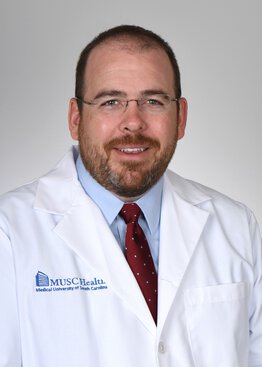
Ryan Tedford, M.D., FACC, FAHA
Section Chief, Heart Failure
Professor & Fellowship Director, Advanced Heart Failure & Transplant Cardiology
Dr. Peter C. Gazes Endowed Chair in Heart Failure
View Faculty Profile
open_in_new
View Provider Profile
open_in_new
View Research Profile
open_in_new
Dr. Tedford is an internationally recognized clinical researcher and has published over 100 peer-reviewed original research manuscripts, invited expert reviews, editorials and book chapters. His research efforts are focused on hemodynamic assessment of right ventricle function and its interaction with the pulmonary circulation and left heart. This spans the fields of pulmonary hypertension, left heart disease, exercise physiology, systemic sclerosis, cardiac transplantation and mechanical circulatory support. His group is currently investigating the diagnostic and prognostic value of right ventricular reserve and is relation to resting RV-PA coupling.
Critical Care – Adult (PA, AGACNP)
This one-year fellowship focuses on clinical experiences and a robust didactic curriculum to provide a well-rounded education intended to fully prepare an APP for a full-time position in critical care.
The APP Fellow will be exposed to a wide array of disease processes in multiple critical care settings through monthly rotations in the following ICUs: Neuroscience, Cardiothoracic, Medical/Surgical, Specialty Medical, Cardiac, and Surgical/Trauma/Burn, as well as elective rotation opportunities.
Additionally, the APP Fellow will have the opportunity to learn and complete competencies on various critical care procedures such as central venous catheter and arterial catheter placement. Fellows are expected to participate in weekly educational lectures, including grand rounds, and complete an end-of-year project.
- Start Month: October and/or February
- Number of APPs per Year: 4–6
- APP License Types: PA, AGACNP
- Schedule: Shifts and total hours vary based on rotation area. ICU rotations require 13-hour shifts with three to four clinical shifts per week, including nights, weekends, and holiday coverage. Non-ICU rotations require eight- to 10-hour shifts with four to five clinical shifts per week.
Clinical Component
-
Eight Four-Week Rotations Through Six MUSC Adult ICUs:
- Cardiac ICU
- Cardiothoracic Surgery ICU
- Medical/Surgical ICU
- Neuroscience ICU
- Specialty Medical ICU
- Surgical/Trauma/Burn ICU
-
Four to Six Core Subspecialty Rotations:
- Nephrology
- Palliative Care
- Cardiology/Heart Failure
- Hepatology
- Pulmonology
-
Zero to Two Elective Rotations:
- Hematology
- Pediatric ICU
- Cardiac Catheterization Lab
- Interventional Pulmonology
- Interventional Radiology
-
Procedures:
- Central line placement
- Arterial line placement
- Bronchoscopy
- Endotracheal intubation
- Paracentesis
- Thoracentesis
- Lumbar puncture
- Chest tube insertion and removal
- Pulmonary artery catheter placement
- Suturing and stapling
- Removal of catheters, tubes, and drains as needed
Didactic Component
-
Mini Critical Care Interprofessional Rotations, including:
- Pharmacy
- Physical Therapy
- Occupational Therapy
- Respiratory Therapy
- Speech Therapy
- Registered Dietician
- Case Management
- Organ Procurement
- Wound Care
- Extracorporeal Membrane Oxygenation (ECMO)
- Simulation training and skills lab
- Weekly academic lecture requirements
- QAPI (Quality Assurance and Performance Improvement) article presentation
- Education and teaching hours
- End-of-year quality improvement project with presentation
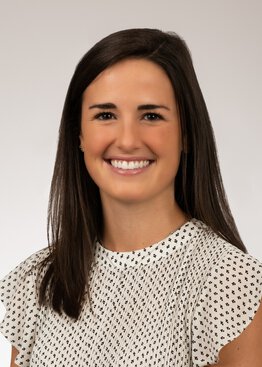
Maggie Miller, MSPAS, PA-C
APP Fellowship Coordinator – Critical Care
Physician Assistant
mimargar@musc.edu
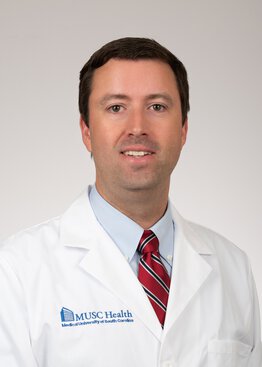
George Carter, M.D.
Assistant Professor, Pulmonary, Critical Care, Allergy & Sleep Medicine
Dermatology (PA, FNP)
The Dermatology APP Fellow will receive one year of in-person training in Charleston, South Carolina, where they will train in clinic with attending physicians alongside physician learners such as residents and fellows while learning a comprehensive approach to patient care.
This includes specialized training in therapeutic procedures such as biopsies, advanced injections, and cryotherapy.
APPs who complete all fellowship requirements will transition into a full-time position in dermatology within MUSC’s Regional Health Network, which extends beyond Charleston, South Carolina. Post-fellowship position locations are dependent on available openings and will be communicated in the posted position description. A two-year post-fellowship commitment is required.
- Start Month: October and/or February
- Number of APPs per Year: 1–2
- APP License Types: PA, FNP
- Schedule: Clinic-based, Monday through Friday, 40 hours per week
Clinical Component
- Fellowship training occurs in Charleston at MUSC Dermatology
-
Procedures:
- Skin biopsy
- KOH exam
- Scabies preparation
- Cryotherapy
- Intralesional injection
- Suturing
- Assist in Mohs surgery
- Debridement
- UV light therapy
- Curettage and electrodessication
Didactic Component
- Monthly educational Journal Club
- Weekly education sessions
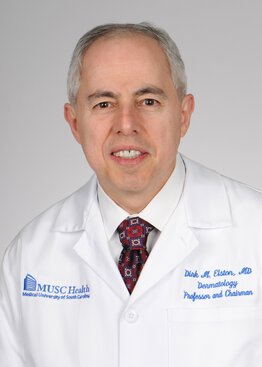
Dirk Elston, M.D.
Department of Dermatology Chair
APP Fellowship Medical Director – Dermatology
Department of Dermatology Chair
Developmental Pediatrics (PA, PNP-PC, FNP, PMHNP)
The successful applicant will be an Advanced Practice Provider interested in working full-time to learn about providing care in Developmental Pediatrics.
The APP Fellow will join a busy and thriving Developmental Pediatrics Division that includes five MD faculty members, seven PhD psychologists, two LISWs, post-doctoral psychology fellows, and DBP MD fellows.
The Division of Developmental-Behavioral Pediatrics (DBP) operates within the Department of Pediatrics at MUSC Children’s Hospital and provides comprehensive diagnostic and treatment services for a broad range of developmental and behavioral diagnoses. The division also runs an innovative clinical research program focused on developmental and behavioral disorders.
- Start Month: October
- Number of APPs per Year: 1
- APP License Types: PA, PNP-PC, FNP, PMHNP (if pediatrics is included in curriculum)
- Schedule: Clinic-based, Monday through Friday, 40 hours per week
Clinical Component
-
Outpatient Clinics Include:
- Developmental-Behavioral Pediatrics (DBP)
- ADHD
- Down Syndrome
- International Adoption
- High Risk
- Cardiology
- STAT
- Autism specialty evaluations
-
Elective Rotations:
- Genetics
- Physical Medicine & Rehabilitation (PM&R)
- Sleep Medicine
- Neurology
- Observation and training in multiple behavioral and neurodevelopmental evaluations
Didactic Component
-
Monthly rotating meetings featuring up-to-date information related to
Developmental-Behavioral Pediatrics, including:
- CASE Meeting
- Research Meeting
- Didactics
- Journal Club
- Weekly Grand Rounds
- Two-semester South Carolina Leadership Education in Neurodevelopmental and Related Disabilities (SC LEND) training, including a quality improvement project
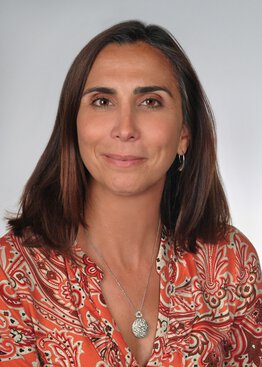
Angela Larosa, M.D., MSCR
APP Fellowship Medical Director & Professor,
Developmental-Behavioral Pediatrics,
College of Medicine
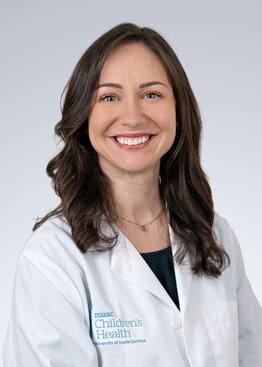
Meghan West, DNP
APP Fellowship Mentor
Nurse Practitioner
Hematology-Oncology (PA, AGACNP, AGPCNP, FNP)
This one-year fellowship focuses on clinical experiences and a robust didactic curriculum to provide a well-rounded education intended to fully prepare a Nurse Practitioner or Physician Assistant for a full-time position in Hematology-Oncology.
The APP Fellow will be exposed to a wide array of disease processes in multiple clinical settings through monthly rotations in Malignant Hematology, Oncology, Bone Marrow Transplant, Classical Hematology, Infusion, and elective specialties.
Additionally, the APP Fellow will have the opportunity to learn and complete competencies on various procedures such as bone marrow biopsies and lumbar punctures. Fellows are expected to participate in weekly lectures, including grand rounds, and complete an end-of-year project.
- Start Month: October
- Number of APPs per Year: 2
- APP License Types: PA, AGACNP, FNP, AGPCNP
- Schedule: Shifts and total hours vary based on rotation area. Outpatient rotations include eight-hour shifts, while inpatient and ICU rotations include ten 13-hour shifts. Shifts may include nights, weekends, and holiday coverage.
Clinical Component
- 13 Rotations
-
Clinic Rotations:
- Lung
- Head and Neck
- Genitourinary (GU)
- Lymphoma
- Bone Marrow Transplant (BMT)
- Infusion
- Myeloma
- Breast
- Gastrointestinal (GI)
- Leukemia
-
Inpatient Rotations:
- Malignant Hematology
-
Elective Rotations:
- Palliative Care
- Leadership
- Surgical Oncology
- Gynecologic Oncology
- Neuro-Oncology
-
Procedures:
- Chemotherapy infusions
- Lumbar puncture
- Bone marrow biopsy
- Skin biopsy
Didactic Component
- Monthly educational Journal Club
- Weekly education sessions
- Patient case presentations
- Quality improvement project
- Chemotherapy training
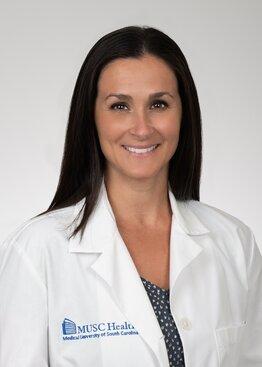
Lindsey Hendrickson, DNP
APP Manager – Hematology-Oncology
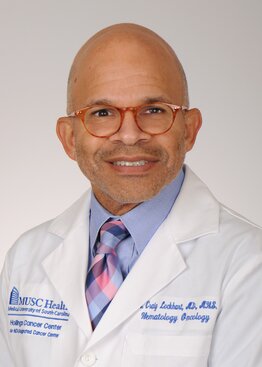
A. Craig Lockhart, M.D., MHS, FASCO
Division Chief and Professor, Division of Hematology & Oncology
Associate Director, Clinical Science, Hollings Cancer Center
Medical Director, APP Fellowship - Hematology-Oncology
Grace DeWolff Professor of Medical Oncology
View Faculty Profile
open_in_new
View Provider Profile
open_in_new
View Research Profile
open_in_new
Dr. Craig Lockhart is the Director of the Division of Hematology & Oncology at MUSC and Associate Director for Clinical Science at MUSC Hollings Cancer Center. His research specialty is gastrointestinal cancers, and he has been a principal investigator on more than 100 Phase I/II and III trials.
Prior to joining MUSC, Dr. Lockhart was on the faculty and in leadership roles at the University of Miami, Miller School of Medicine, Washington University in St. Louis/Siteman Cancer Center, and at Vanderbilt University/Vanderbilt-Ingram Cancer Center.
Dr. Lockhart has been conducting early-phase clinical trials for over 20 years. His specific research interests are developing and conducting Phase I/II clinical trials of novel therapeutics applied to gastrointestinal cancers. In treating these cancers, he aims to incorporate novel agents or molecular/genetic-based treatments into therapeutic trials in the pursuit of personalized cancer care. He has developed and led multi-institutional clinical trials involving the treatment of GI tumors through national cooperative groups as well as investigator-initiated studies. He has been an investigator and co-investigator on individual grants, on successful SPORE grant applications and on successful multi-institutional UM1 grant applications.
Dr. Lockhart has also served on several committees for the American Society of Clinical Oncology (ASCO), including the scientific and career development committees. He has been a member of the National Comprehensive Cancer Network (NCCN) guidelines committee for gastric and esophageal cancers. He also serves as faculty at the ASCO/American Association for Cancer Research (AACR) Methods in Clinical Cancer Research Workshop, mentoring fellows and junior faculty on the development of gastrointestinal cancer therapeutic protocols.
Dr. Lockhart graduated from the University of Texas Southwestern Medical School at Dallas in 1993. He completed residency training at Barnes Hospital at Washington University, fellowship training in hematology/oncology at Duke University and a fellowship in drug development at GlaxoSmithKline in the North Carolina Research Triangle Park. He also earned a Master of Health Science degree in clinical trials at Duke University. He completed his undergraduate degree, a bachelor’s in biology, at Rice University.
Nephrology (PA, AGACNP, AGPCNP, FNP)
This one-year fellowship focuses on clinical experiences and a robust didactic curriculum to provide a well-rounded education intended to fully prepare a Nurse Practitioner or Physician Assistant for a full-time position in Nephrology.
The APP Fellow will rotate through various nephrology clinical areas, including inpatient dialysis, inpatient nephrology consultations, ambulatory nephrology clinics, and community dialysis centers. Fellows are expected to participate in weekly lectures, including grand rounds, and complete an end-of-year project.
- Start Month: October
- Number of APPs per Year: 1
- APP License Types: PA, AGACNP, FNP, AGPCNP
- Schedule: Shifts and total hours vary based on rotation area. Outpatient rotations include eight-hour shifts, while inpatient rotations include ten 13-hour shifts. Shifts may include nights, weekends, and holiday coverage.
Clinical Component
-
Core Rotations:
- Inpatient Dialysis
- Inpatient Nephrology Consults
- Ambulatory Nephrology Clinics
- Community Dialysis Centers
-
Core Subspecialty Rotations:
- Heart Failure Clinic
- Rheumatology Clinic
- Endocrine Clinic
-
Elective Rotations:
- Palliative Care
Didactic Component
- Didactic lectures
- Quality improvement project
- QAPI article presentation
- Renal Grand Rounds and M&M
- Educational presentation
- Nephrology conference
-
Community involvement events, including:
- PKD Walk
- NKF Walk
- Community CKD screenings
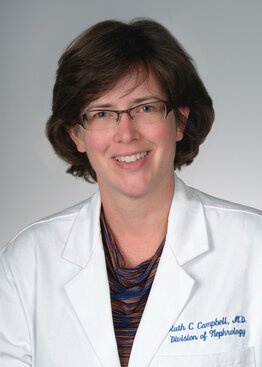
Ruth C. Campbell, M.D., MSPH
Clinical Operations Director & Professor, Nephrology
DCI Nephrology Research Endowed Chair
Neonatal Critical Care (PA)
This one-year fellowship focuses on clinical experiences and a robust didactic curriculum to provide a well-rounded education intended to fully prepare a Physician Assistant for a full-time position in Neonatology.
The primary fellowship role in Neonatology includes opportunities to learn population-specific pathophysiology and work toward procedural and clinically relevant competencies.
The NICU APP Fellowship is aligned with an external PA certificate program for Neonatology, which is completed online throughout the fellowship year. Tuition for the PA certificate program is supported by the APP Fellowship program.
APPs who complete all fellowship requirements, including successful completion of the PA certificate program, will be considered for a full-time position in the NICU. If offered a full-time position, a two-year post-fellowship commitment is required.
- Start Month: Certificate program classes begin in mid-January. Clinical rotations begin in February.
- Number of APPs per Year: 1–2
- APP License Types: PA
- Schedule: ICU rotations require 13-hour shifts with three to four clinical shifts per week, including nights, weekends, and holiday coverage.
Clinical Component
-
Rotations:
- Shawn Jenkins Level IV Neonatal ICU
-
Procedures:
- Umbilical venous catheterization
- Umbilical arterial catheterization
- Peripheral arterial line placement
- Intubation
- PICC placement
- Lumbar puncture
- Paracentesis
- Thoracentesis
- Suprapubic tap
Didactic Component
- Academic requirements as outlined by the post-graduate certificate program
- Must apply to the external post-graduate certificate program once the fellowship offer is accepted
- Monthly educational Journal Club
- Patient case presentations
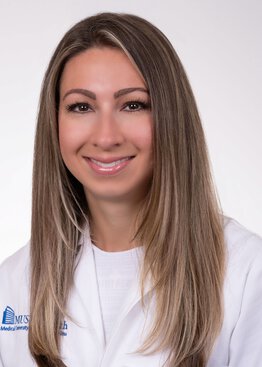
Amanda Suarez, PA-C
APP Fellowship Coordinator – Neonatal Critical Care

John B. Cahill, M.D.
Division Chief, Neonatology
Director, Infant Home Monitoring
Medical Director, Children's Hospital, Lowcountry Perinatal Outreach Program
Medical Director, Children's Hospital Meducare Transport System
Professor, Pediatrics
MUSC APP Fellowship FAQs
Benefits to completing an APP Fellowship include:
- Increased marketability
- Increased overall job confidence and satisfaction
- Develop tools for future leadership roles
- Guided clinical experience with protected and focused education
- Access to APP mentors with similar interests
- APP Fellows are paid a salary of $71,500 for their fellowship year.
- APP Fellows also receive full benefits – including health and dental insurance, paid time off, extended sick leave, FMLA, parental leave, retirement contributions, and long-term disability.
- APP Fellows who transition to a permanent position at MUSC will be given additional credit for years of experience on base salary offer.
- Additionally, APP Fellows may be eligible to receive a sign-on bonus.
- A permanent position is not guaranteed; however, our APP Fellows are premier candidates for positions here at MUSC. If any positions are open in the APP Fellow’s track within 6 months of fellowship completion, they will be notified of the opening and interviewed if eligible.
- For the fellowship tracks that have a 2-year commitment post fellowship completion (Dermatology and Neonatal Critical Care) – a permanent position is dependent upon successful completion of the fellowship.
You can apply through our MUSC Careers website. Search for “fellow” to filter through the open positions.
- You can also express your interest in our fellowships using the MUSC APP Fellowship Program Interest Form. Once the applications are available, you will receive notification via email.
- Note: A cover letter and 3 references are required for APP Fellowship applications.
- Tip: Apply with your personal email address that you check regularly as you may lose access to your school email after graduation.
October Start Date Timeline
For October start date, the general timeline is as follows:
- March-April: Positions are posted on the MUSC Careers website
- April-May: Candidate interviews
- June: Candidate selection
-
July-August-September: Credentialing period for chosen candidates
- Must pass board certification by August 31
- October: Orientation
February Start Date Timeline
For February start date, including Neonatal ICU, the general timeline is as follows:
- June-July: Positions are posted on the MUSC Careers website
- August-September: Candidate interviews
- October: Candidate selection
-
November-December-January: Credentialing period for chosen candidates
- Must pass board certification by December 31
- February: Orientation
- We require a cover letter for all APP fellowship applications. This is your chance to tell us why we should accept you into our fellowship program. Consider making the cover letter specific to your personal experience and how it relates to the specialty in which you are applying.
- We require three strong references and recommend asking previous preceptors to be a reference for you. We want to know how strong your clinical skills are. References from physicians, APRNs or physician assistants help those reviewing applications understand how you may perform in the clinical space. References from educators and others who can attest to your clinical ability are also accepted.
- In the beginning, you will see fewer patients and slowly increase your patient load. The goal is to see approximately 85% of a full patient load by months 9–10, with a 100% patient load by month 12.
- Your patient care will be supervised by a preceptor who may be an APP, physician, or advanced physician learner.
- The number of patients varies depending on the clinical area.
No, we follow the nursing consensus model when selecting our final APP Fellowship candidates, regardless of experience. Each fellowship has the accepted license types in the description. If you are unsure if you qualify for a specific fellowship, you can inquire using the MUSC APP Fellowship Program Interest Form.
