


Clinical Neurophysiology Education & Training Program
The MUSC Health Clinical Neurophysiology (CNPS) Education and Training Program is a hospital-based microcredential for those interested in a career in Electroencephalography (EEG) or Intraoperative Neurophysiologic Monitoring (IONM).

On This Page
About the Program
This entry-level neurodiagnostic program currently includes electroencephalogram (EEG) and intraoperative neuromonitoring (IONM) training. Neurodiagnostic fields are projected to grow steadily, driven by an aging population, rising prevalence of neurological disorders, technological advancements in testing, and increased awareness of early disease detection. The expanding burden of conditions is generating strong demand for advanced neurodiagnostic specialists to improve diagnosis, monitoring, and treatment decisions. Therefore, EEG and IONM specialists are in high demand. both state and nationwide
EEG is a critical diagnostic assessment for several neurological conditions, performed in outpatient, inpatient, or intraoperative settings.
IONM specializes in surgeries where the nervous system is at risk, with the goal of catching neurological injury in real-time to prevent negative post-operative outcomes.
Our EEG and IONM training pathways consist of three 17-week periods which includes one year of didactic training, and one or more years of clinical training. This includes:
- Didactic lectures
- Hands-on simulation laboratory experience
- In-person clinical rotations alongside certified specialists
- During the final 17-week period, students will prioritize clinical hours until eligible to sit for their board exam
The application window is open from July 1 to October 31. If planning to apply, learners are encouraged to shadow as soon as possible.
MUSC Health is one of the select few medical centers in the country with five different accredited diagnostic services and laboratories for the testing and treatment of neurological disorders, including EEG and IONM. These accreditations recognize our commitment to meeting strict industry standards and providing the best diagnostic services.
- EEG lab accreditation from the American Board of Registration of Electroencephalographic and Evoked Potential Technologists (ABRET).
- IONM lab accreditation from the American Board of Registration of Technologists (ABRET) in Neurophysiologic Intraoperative Monitoring. MUSC IONM specialists are all board-certified by ABRET’s Neurodiagnostic Credentialing Board (CNIM).
At a Glance
Mission
Redefine and elevate the standards for neurodiagnostic education and training through patient-centered care, research, innovation, and advocacy.
Values
Excellence
We pledge to create and evolve an education and training program of the highest national and professional standards for the field of neurodiagnostics.
Integrity
We are committed to fostering an environment of honesty, respect, diversity, transparency, and accountability for ourselves, our learners, and the field of neurodiagnostics.
Education
We are devoted to lifelong education, scholarship, and diverse academic environments in our ever-growing health care institution and beyond.
Collaboration
We instill an environment of partnership, team engagement, and interpersonal support between medical and industry professionals, learners, and diverse organizations.
Growth
We are dedicated to the continued advancement, opportunity, success, and professional development of our learners and ourselves beyond expectations.
Vision
Be the forerunner in evidence-based neurodiagnostic education and training to shift the paradigm, raise quality of care, and develop skilled clinicians.
Microcredential Completion
The Clinical Neurophysiology Education and Training Program is an entry-level pathway in EEG and IONM designed to prepare learners for national board certification. Following completion of the didactic curriculum and required clinical training hours, learners will be equipped to sit for the R. EEG T. (EEG) or CNIM (IONM) board examinations.
Board certification is obtained through ABRET.
Program Admissions
The application window is open from July 1 to October 31, 2026.
Upon application and admission to the CNPS Education and Training Program learners must have the following:
- IONM: Bachelor’s or Master’s degree in a healthcare related field or a Bachelor’s degree in a non-healthcare related field with 1+ of the following current certifications: R. EEG. T., R. EP. T.
- Cumulative college GPA: 3.0
- Prerequisite courses: Anatomy I, Physiology I
- EEG: Associate’s degree in a healthcare-related field, or an Associate’s degree in a non-healthcare field with either 1+ year of clinical healthcare experience or a current healthcare-related certification.
- Cumulative college GPA: 2.5
- Prerequisite courses: Anatomy I, Physiology I
As part of the application process, learners are required to shadow a minimum of 1 day in their desired field. Please see the shadowing information to get started.
Electroencephalogram Curriculum
Transfer of Credits: We do not accept or recognize credits or course work from any other neurodiagnostic program toward the requirements of microcredential.
First 17-week period
Learners will be introduced to the clinical site and preceptors and will start working with adult patients under supervision.
Introduction to anatomy and physiology with a focus on central nervous system anatomy, basic cell anatomy with a focus on neurons, bioelectrical concepts and the production of EEG signals. This will be done through the lens of basic pathologies.
Introduction to basic EEG concepts such as montages, polarity rule, frequency ranges, analog to digital conversion, electrical safety and filters with a focus on the normal EEG and how these concepts interact to create an EEG recording. Learners will be able to describe a normal awake, drowsy and sleep EEG, explaining how the EEG recording is constructed and how changing filters will change the recording and when to utilize these changes on the EEG.
Learners will be introduced to the international 10-20 System with hands on learning of effective measuring techniques, standard 10-20 nomenclature, troubleshooting measuring pitfalls, and the importance of placement. Learners will be required to pass measurement assessments in accordance with current standards. Learners will also engage in safety standards, how to operate standard equipment, conduct a routine EEG, and performing activations.
Learners will be introduced to concepts of legality, ethics and communication in the medical field including HIPAA, patients’ rights, and basic legal procedures. Learners will also be introduced to effective and appropriate communication with patients based on age and mental status on explaining EEG procedures and giving clear directions; ethical communication will also be covered, introducing learners to the scope of practice of technologists.
Second 17-week period
Learners will continue clinical rotations with preceptors to gather routine EEG cases.
Introduction to the EEG of pediatric populations (neonatal through teenage years) and understanding of the aging EEG in the context of basic developmental anatomy and physiology. Learners will develop an understanding of pediatric seizure and neurological conditions, complications during birth and the effect on the nervous system, special recording conditions in the pediatric population, and neonatal age determination.
Learners will be taught aspects of the abnormal EEG, pathological reasoning for abnormalities, and a focus on learning seizure and interictal identification. Seizure, epilepsies, neurological disorders, and trauma will also be covered. Learners will also be introduced to the ICU and epilepsy monitoring unit environments and how to identify the difference between types of EEG monitoring, the indications for each, unique safety concerns to each environment, artifact identification, and elimination techniques.
Learners will put didactic education into practice by using templates to write practice, quantitative EEG analysis, and ambulatory EEGs. Learners will also be introduced to basic understanding of other neurodiagnostic testing modalities: IONM, nerve conduction, evoked potentials, polysomnography and magnetoencephalography. Learners will continue measurement assessments with shorter time allowed.
Learners will work with an assigned preceptor at designated times during this course with the requirement of rotation between children’s and adult hospitals. Learners will begin working with more advanced EEG procedures such as long-term monitoring (LTM) and epilepsy monitoring unit (EMU) patients.
Learners will provide an EEG sample from a case with a description of the sample including reasoning and/or pathology.
Third 17-week period
This course will focus on advanced EEG testing and procedures such as epilepsy surgery planning, intracranial EEG interpretation, stimulation mapping, and insight on safety and complications. devices will also be covered. This class will also cover additional seizure treatment options such as neuromodulation, new and upcoming treatments, and the future of the EEG field.
Learners will be more independent while still under supervision of an assigned preceptor. Learners will set up routine EEG’s as well as intensive care unit (ICU), LTM, and EMU patients. Learners will also shadow at least one advanced EEG procedure. Measure assessments will continue during this time, with a reduced time allowed for head measurement.
Learners will provide an EEG sample from a case with a description of the sample including reasoning and/or pathology.
Intraoperative Neuromonitoring Curriculum
Transfer of Credits: We do not accept or recognize credits or course work from any other neurodiagnostic program toward the requirements of microcredential.
First 17-week period
Learners will be introduced to the operating room and preceptors for further learning of lecture concepts.
Introduction to the anatomy and physiology of the human body, with focused exploration of the nervous, vascular, and muscular systems. Learners will utilize a variety of advanced learning techniques, such as didactic lectures with 3D and VR software, to gain hands-on understanding of anatomical concepts and their relation to neurophysiology.
Introduction to detailed learning of basic intraoperative neurophysiological monitoring. Learners will be introduced to the concepts of head measurement, electrode placement, fundamental modalities in relation to anatomy and physiology, and the basics of data acquisition. In the lab, learners will gain hands-on experience with the IONM machine, equipment placement, and the basic concepts of data acquisition.
Introduction to pharmacological and physiological concepts and their relation to nervous, vascular, and muscular systems. Learners will learn anesthetic pharmacology and physiology, how these factors affect patient physiology, and their effects on IONM modalities.
Detailed learning of electrical concepts in IONM for safe and optimal data acquisition. Learners will gain an optimal understanding of IONM equipment and electrical interferences with the patient, OR equipment, and data acquisition. In the lab, learners will participate in hands-on experiences utilizing IONM machines alongside OR equipment, developing and customizing data templates, and electrode placements in both simulated and partnered exercises.
Second 17-week period
Learners will continue intraoperative time with preceptors and may start becoming primary personnel for case coverage.
A deeper dive into intraoperative neurophysiological monitoring and other neurophysiological testing. Learners will learn more advanced intraoperative concepts and modalities as well as less common modalities and their relation to procedures. Learners will be taught other neurophysiological/neurodiagnostic testing, such as polysomnography (PSG), nerve conduction studies (NCS), and clinical evoked potentials (EPs). Learners will incorporate their knowledge in the operative room and shadow advances modalities when applicable.
A deep dive into common and advanced patient pathologies, diagnosis and indication for surgery, surgical procedures, and the utilization of intraoperative neuromonitoring. Learners will be taught about relevant pathology, how it affects anatomical systems, and its influences on neurophysiological data. Learners will dive into the details of surgical procedures including critical stages, relevant instrumentation/hardware, and physiological structures at risk.
Understanding and practicing the concepts of ethics, safety, professional behavior, operating room etiquette, operating room roles, and appropriate communication. Learners will be taught the professional and ethical expectations within medical practice and IONM. These concepts include but are not limited to patient protections, national rules and regulations, HIPAA, and safety concerns alongside communication and documentation concepts and standards.
Third 17-week period
During this course, learners are expected to be the primary personnel for case coverage, with certified preceptor supervision. In addition, learners will partake in mentorship of a first semester learner.
Learners will be introduced to concepts surrounding evidence-based practice. They will learn how to find and review pertinent literature, the basics of statistical testing, critical assessment of scientific evidence, and how to appropriately write scientific content.
Alongside clinical hours, learners will prepare one (1) case each week to present to their cohort. Case presentations will include an overview of the procedure being performed, patient diagnosis and pathologies, necessary modalities, the flow of the case, and any notable events that may have occurred.
Inquiries
For further questions regarding the Clinical Neurophysiology Education and Training Program and shadowing in the fields of EEG and IONM, please submit inquiry below. Note all Neurodiagnostic Shadowing takes place on-site at our Charleston Campus.
Shadowing in Neurodiagnostics
October 31, 2026 is the deadline to complete a shadowing request for those who are interested in applying for the January 2027 cohort.
If interested in shadowing EEG and/or IONM, please follow the steps below. Note qualified applicants must schedule a clinical ‘shadowing’ experience for their selected program(s) of interest as part of the application process. This opportunity will provide first-hand insight into the fields of EEG and IONM. During this time prospective applicants will meet the instructors and staff, visit the classroom(s), and ask questions concerning the program and Charleston area.
Note: Acceptance to shadow through Career Explorations can take two or more weeks to process, therefore prospective applicants are encouraged to begin the shadowing process as soon as possible. Shadowing completion prior to the application window will be honored during the application process.
To begin the shadowing process, please complete the following:
- Fill out the Inquiry section of this website. You will then receive an email from cnpstrainingprogram@musc.edu with contact information of your shadowing sponsor (field dependent). Together, you and your sponsor will determine potential date(s) of shadow. After date determination, proceed to step 2.
- Fill out the MUSC Career Explorations application: Career Exploration Application Form - MUSC Health
- Sponsoring Department: Clinical Neurophysiology Education and Training Program
- IONM Sponsor: Lakota Stitt (jonelako@musc.edu)
- EEG Sponsor: Amalia Ferreira (sweene@musc.edu)
- Submit the following health records to Career Explorations via email (muha-careerexplore@musc.edu)
- Proof of 3 Hepatitis B vaccines OR Hep B titer showing immunity
- Proof of 2 MMR vaccines OR MMR titer showing immunity
- Proof of 2 Varicella vaccines OR Varicella titer showing immunity OR history of the chicken pox
- Proof of Tdap vaccine received after 2005
- Proof of flu vaccine for the current flu season (October 1 through May 1)
- Complete the Hospital Association’s Passport Care Learning courses linked here passport.carelearning.com/Home/Start. Submit the transcript of the completed courses to muha-careeerexplore@musc.edu. Please note: There is a $15 fee associated with these courses, however, they are good for one year.
- A national background check completed within the last 12 months of practicum is required for any applicants over the age of 18. If applicants already have a background check on file with their current school/university we can accept that. If you have not previously had a background check done, we recommend using SentryLink - Pre Employment Background Checks and Tenant Screening.
- Once MUSC Career Explorations has received all documentation, a follow-up email will be sent to you confirming clearance.
- CNPS Education and Training Program staff and faculty will then send instructions for designated shadowing dates.
Application
The application window is now open and will close on October 31, 2026.
Click the link below for more information about the application for the CNPS Education and Training Program.
Program Fee Policy
Please note program costs and fees are subject to change.
Program Fees
Fees for the CNPS Education and Training Program Microcredential:
Non-refundable application fee at time of submission: $50
Non-refundable downpayment following acceptance into the program and prior to start of first 17-week period: $500
- This payment will be attributed towards your first 17-week period fee total.
Total Program Fees:
- EEG: $10,250
- IONM: $15,250
Program Fee due dates will be outlined to the accepted learners prior to the start of first 17-week period.
Included in Program Fees
- All hours and clinical rotation(s)
- Personal access to all required textbooks and articles
- Entree to MUSC LIBRARIES and resources including:
- Required textbooks and articles
- Procedure, anatomy and physiology videos
- Virtual Anatomy Lab - MUSC Libraries
- Computer classrooms
- Tech Lending - MUSC Libraries
- Group study rooms
- Designated study zones
- 3D Printing via Dream Studio @ MUSC Library
Additional Costs
The learner is responsible for providing and maintaining these items and their costs, as they are not included in the program fee
- Housing (variable)
- Travel, drivable from Charleston (variable)
- To on-site lectures and clinical hours
- Learners must have reliable transportation
- Preferred supplies such as laptop/tablet(s), notebooks, binders, etc. (variable)
- ABRET Exam fee following completion of the CNPS Education and Training Program ($750)
- ASET Student Membership - ASET - The Neurodiagnostic Society ($58)
- EEG only: Scrubs (variable)
- Ceil blue top, navy blue bottom
- Potential need for 60 EEG ASET Credits
- IONM only: Potential need for 30 IONM educational hours earned through ASET, ASNM, or ACNS
Payment Portal
Learners are to submit the application fee, acceptance fee and program fee to the Payment Portal.
Faculty

Jessica L. Barley, Ph.D., CNIM
Founding Director, CNPS Education and Training Program
Dr. Jessica L. Barley is a distinguished academic and clinical leader in the field of clinical neurophysiology. With a solid foundation built on excellence in education and research from recognized institutions, she has honed her expertise in intraoperative neurophysiologic monitoring and clinical innovation. Her dual appointments in the Departments of Neurology and Neurosurgery at the Medical University of South Carolina, along with her role as Director of the CNPS Education and Training Program, underscore her commitment to advancing both patient care and academic rigor. Recognized with awards for innovation and active participation in professional societies, Dr. Barley consistently drives forward initiatives that integrate cutting-edge research with clinical excellence, making her a pivotal figure in her field.
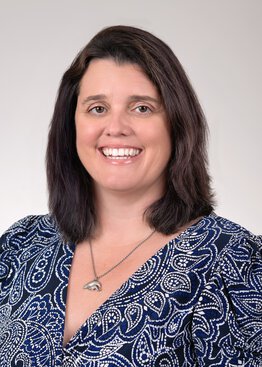
Brandi DiAsio, BHA
Business Manager, CNPS Education and Training Program
Specializing in healthcare administration and Neurophysiology for over 16 years, Brandi shifted from Head Administrator of MUSC's Clinical Neurophysiology Lab to bring her expertise to the CNPS Education and Training Program. As Business Manager, Brandi remains dedicated to learners, employees, patient care, and the future of Neurosciences.
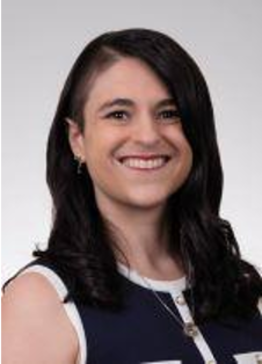
Lindsey Akers, MS, CNIM-CS
IONM Education Coordinator, CNPS Education and Training Program
Over the course of her 12-year career in intraoperative and clinical neurophysiology, Lindsey has exhibited ongoing intrigue, curiosity, and passion for the field. During her time at MUSC, Lindsey has risen from a Specialist II to a Specialist IV, while also obtaining her Master of Science in Neuroscience. She has helped develop a new, stackable credential for the field of IONM – the CNIM-CS, for complex spine procedures. Now, serving as the IONM Education Coordinator, Lindsey is further pursuing her love of the field, while developing and promoting quality education and training for IONM.
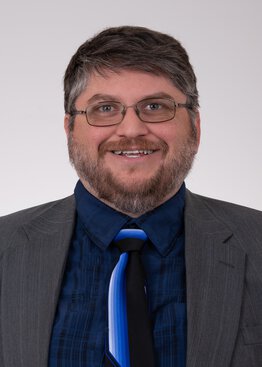
Jacob Myers, BS, R. EEG. T., CLTM
EEG Education Coordinator, CNPS Education and Training Program
As a student at Iowa State majoring in biology, working in the medical field was the far from Jacob’s mind. Following graduation, Jacob found himself in phlebotomy which sparked his interest in medicine. Soon thereafter, his scientific curiosities discovered neurophysiology and EEG. With 10+ years’ experience, Jacob’s achieved both basic and advanced R. EEG T. and CLTM credentials and is proficient in epilepsy surgery, advanced EEG procedures and testing, and patient report writing. Jacob’s professionalism extends as a professional book reviewer and organizer for medical and EEG conferences. Today, Jacob plans to pass his passion for EEG and patient care onto the next generation of technologists as EEG Education Coordinator.
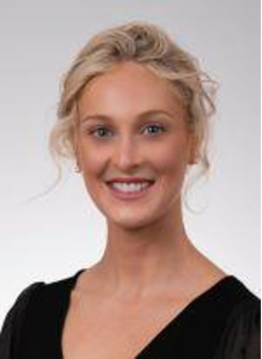
Lakota Stitt, MS, CNIM
IONM Practicum Coordinator, CNPS Education and Training Program
Lakota stems from a foundation in exercise science and neurophysiology, bringing a unique blend of clinical expertise and academic depth to her role. Currently, Lakota serves as the IONM Clinical Coordinator and Specialist III with a clinical background in complex cranial and spine procedures while focusing on refining monitoring techniques for higher-risk surgeries- from deep brain stimulation to speech and language mapping. Outside the OR and classroom, Lakota's co-authored peer-reviewed publications, presented original research internationally, and continues to explore how neurophysiology, data, and education intersect to elevate patient care.
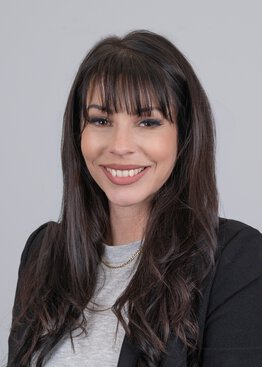
Amalia Ferreira, AS, R. EEG. T., CLTM
EEG Practicum Coordinator, CNPS Education and Training Program
Born and raised in Charleston, SC, Amalia Ferreira is a seasoned neurodiagnostic professional with more than 14+ years of clinical EEG experience and a strong background in training and education. She discovered her passion for the field early in her career and has continued to grow and advance within neurodiagnostics ever since. As the EEG Practicum Coordinator, Amalia oversees clinical instruction, curriculum alignment, and hands-on skill development for learners preparing to enter the profession. Before joining the faculty, she served as the Clinical EEG Specialist Coordinator at MUSC, where she led a team of EEG specialists, supported intracranial and epilepsy surgery monitoring, and collaborated closely with neurologists and neurosurgeons. Her clinical experience spans neonatal, pediatric, adult, and critical care populations, providing a comprehensive foundation that she brings directly into her teaching. She is passionate about elevating EEG education, strengthening clinical competency, and preparing individuals to deliver safe, high-quality care in diverse neurological settings.
Collaborations
The MUSC Health Clinical Neurophysiology Education and Training Program prides itself on collaboration and promotes integration of patient care, education, and research across the enterprise to elevate the field of neurodiagnostics and careers throughout the neuroscience community.
Meet our collaborators:
FAQs
First, email cnpstrainingprogram@musc.edu to schedule dates to shadow. Then proceed to the “Shadowing” instructions outlined on the application or webpage. You may complete your shadowing experience before (preferred) or during the application window; note shadowing is required as part of the application process. After scheduling or completing shadow, submit the application form along with the application fee ($50) and required documents (see Application section on the website). Selected candidates will be invited to interview with the CNPS Education and Training Program faculty and staff.
Didactic Training- Charleston, SC (EEG and IONM); Clinical Training- Charleston, SC (EEG and IONM) with possible travel to Columbia, SC.
The current total cost of the program is: EEG $10,250/IONM $15,250. This is for the entire duration of didactic and clinical training. It does not include the costs of the housing, travel, exam registration fee, etc. (see full list of “additional costs” on the website). Other clinical fees may apply.
Note: A non-refundable down payment of $500 is due upon acceptance into the program which counts towards your total program fees. Incomplete payment voids acceptance into the program. The $500 down payment will be attributed to your total program cost.
- A non-refundable fee of $500 is due on or before the designated due date (stated on the application submission page and via email)
- Payment for refundable program fees are due at the start of the program.
- Cut-off date for refundable program fees for withdrawal from program varies per cohort.
- Payment plans are available upon request and approval.
- For additional information regarding withdrawal deadlines or payment plans, please contact Brandi DiAsio.
The CNPS Education and Training Program is not eligible for federal grants or loans. For payment options, learners may apply for the program's internal payment plan through the Brandi DiAsio.
While working is possible, all lectures and clinical hours are mandatory as part of the completion of the CNPS Education and Training Program. Clinical hours are based on demand on a day-by-day basis and require a flexible schedule. Learners are to adjust their schedules accordingly.
The CNPS Education and Training Program does not provide housing. Housing is the responsibility of the learner.
The CNPS Education and Training Program does not provide health insurance. Health insurance is the responsibility of the learner.
Learners may be asked to travel on a day-by-day bases to Columbia, SC for clinical rotation only; the majority of time spent will be on the Charleston, SC campus.
Learners who meet employment requirements after completing the CNPS microcredential and passing the ABRET board certification exam may be invited to interview for open positions if available. Credentialed specialists who’ve completed the CNPS Education and Training Program are given strong consideration, however employment is not guaranteed.
No. Lectures and labs are to be taken on-campus in Charleston, SC.
Contact Us
MUSC Health Clinical Neurophysiology Education and Training Program99 Jonathan Lucas Street
Room SN512, MSC 160
Charleston, SC 29425
843-876-8870
cnpstrainingprogram@musc.edu
