


Hypertrophic Cardiomyopathy (HCM)
What is Hypertrophic Cardiomyopathy?
Hypertrophic Cardiomyopathy is type of heart disease that causes an abnormal thickening of the heart muscle. The abnormal thickening of the heart muscle can occur in different areas of the heart muscle and can lead to different symptoms in every person. The thickened heart muscle is most commonly seen in the lower pumping chamber of the heart (left ventricle) which can cause obstruction of blood flow and also lead to heart muscle stiffness, leaking valves and abnormal heart function.What are Symptoms of Hypertrophic Cardiomyopathy?
- Palpitations
- Shortness of breath
- Fatigue
- Chest pain
- Abnormal heart rhythms (sudden cardiac death)
- Passing out
Causes and Risk Factors of Hypertrophic Cardiomyopathy
Some people can have a heart murmur that can be found during a physical exam. This is related to the abnormal blood flow moving through the heart.
How is HCM diagnosed?
This most common initial evaluation is with an echocardiogram (ultrasound of the heart) to assess the heart muscle thickness, heart valves and overall heart function. At times, further testing is needed to confirm your diagnosis which can include a heart rhythm monitor, stress test or cardiac MRI.
Treatment of Hypertrophic Cardiomyopathy
At MUSC Health our doctors are the most experienced in the state in performing interventions for HCM including alcohol septal ablations and surgical myectomy, and medical therapies including the newest class of medications, cardiac myosin inhibitors, called mavacamten.
What to expect during my visit?
- Meet with one of our HCM experts to discuss your diagnosis and answer your questions related to HCM and your care.
- Review your tests results and discuss if further evaluation or tests are needed.
- Discuss medical therapy and surgical options that may be considered to treat your heart condition.
- Some patients may require an ICD (implantable defibrillator) if they have significant abnormal heart rhythms. We may refer you to one of our electrophysiologist (heart rhythm specialists) for their expert opinion.
- We also often recommend genetic testing for HCM. You may meet with one of our genetic counselors to discuss genetic testing for your heart condition
Why should I consider genetic testing?
We will also discuss genetic testing, as this heart condition is often due to abnormal genes (DNA) and can run in families. Our genetic counselors will meet with you to review your family history and discuss the process of genetic testing. If an abnormal gene is found, we can help to determine if this condition is carried in other family members.
Why choose MUSC for HCM Care?
- Depth of experience: MUSC Health is South Carolina's only academic medical institution. Our education program comes with a commitment to knowing and teaching the latest techniques. Our doctors are the most experienced at performing interventions such as including alcohol septal ablation (ASA) and surgical myectomy.
- Extensive, comprehensive treatment options:
- Newest medical therapies for HCM including cardiac myosin inhibitors, called mavacamten.
- Septal reduction therapy for HCM including surgical myectomy and alcohol septal ablation.
- Advancing innovation: extensive clinical trials program offers leading-edge treatments that aren't available at all medical centers. For more information, visit the Heart & Vascular Clinical Trials page or the MAPLE-HCM website.
- Collaborative, team-based approach: Our HCM team actively collaborates with specialists including advanced heart failure, interventional cardiology, cardiothoracic surgery, electrophysiology, cardiac genetics.
Hypertrophic Cardiomyopathy
100+
New patients treated annually
~30
Alcohol septal ablations performed annually
~8
Myectomies performed annually
The HCM Team at MUSC
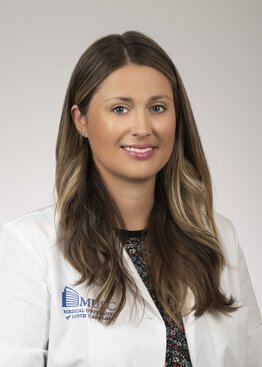
Jessica Atkins, M.D.
Assistant Professor, Cardiology
Jennifer Atkins, M.D., is an Assistant Professor of Cardiology specializing in heart failure and cardiac transplantation. Her clinical interests include the management of advanced heart failure, with a particular focus on Left Ventricular Assist Device (LVAD) therapy.
Dr. Atkins earned her medical degree from the Medical University of the Americas in 2015. She completed her residency at Louisiana State University Health Sciences Center in 2018, followed by a fellowship in cardiology at the Medical University of South Carolina Medical Center in 2021.
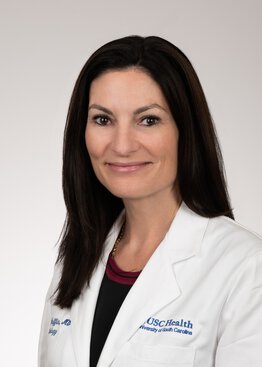
Jan Griffin, M.D.
Associate Professor, Cardiology
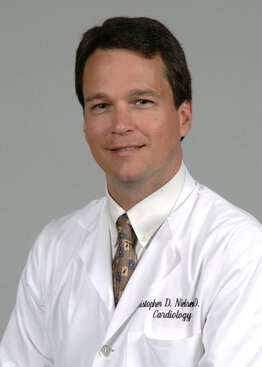
Christopher D. Nielsen, M.D.
Director, Interventional Cardiology Fellowship
Professor, Cardiology
Dr. Christopher Nielsen is a cardiologist at MUSC, specializing in complex coronary interventions and structural heart procedures. He earned his M.D. from Bowman Gray School of Medicine at Wake Forest and completed internal medicine and cardiology training at MUSC. His clinical and research interests include acute coronary syndromes, alcohol septal ablation for hypertrophic cardiomyopathy, percutaneous closure of atrial septal defects and patent foramen ovale, coronary CT angiography, and renal artery stenosis.
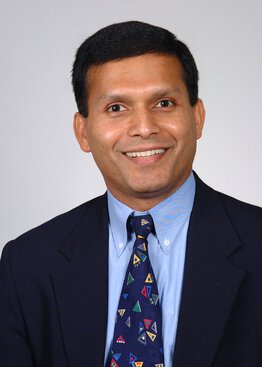
Valerian L. C. Fernandes, M.D.
Professor, Cardiology
mail
fernandv@musc.edu
View Faculty Profile
open_in_new
View Provider Profile
open_in_new
View Research Profile
open_in_new
View Senior Author Publications
open_in_new
Dr. Valerian Fernandes received his MBBS degree from St. John's Medical College, Bangalore in 1989 and his post graduate M.D. (internal medicine) degree from Post-Graduate Institute of Medical Education and Research (PGIMER) Chandigarh, India in 1992. He received his MRCP degree in 1994 (Member of Royal College of Physicians-UK). In the U.S. he did his internship at St. Luke-Roosevelt Hospital in New York and completed his internal medicine residency at the Mayo Clinic, Rochester, Minnesota in 1997. His cardiology and interventional cardiology fellowship training was done at the Baylor College of Medicine, Houston, Texas from 1997 to 2001. Since his training, he has been on the MUSC faculty as an assistant professor of medicine and as a staff physician and director of the cardiac catheterization laboratories at the Ralph H. Johnson VA Medical Center.
Dr. Fernandes is board certified in cardiovascular disease and interventional cardiology. He is level III echocardiography trained and certified and also level II nuclear cardiology trained and certified. Dr. Fernandes' clinical and research interests include complex coronary interventions, rotational atherectomy, vulnerable plaque evaluation and treatment, acute coronary syndromes, alcohol septal ablation for hypertrophic obstructive cardiomyopathy, peripheral arterial intervention and Doppler and transesophageal echocardiography. He is the only certified percutaneous mitral valvuloplasty practitioner in the state of South Carolina. Dr. Fernandes has been a principal investigator in several trials and has also co-authored many publications. He is very active in teaching and medical education and has received many teaching awards and nominations. He is a reviewer for medical journals and a fellow of the American College of Cardiology.
Research Profile
Dr. Fernandes’ clinical and research interests include complex coronary interventions, rotational atherectomy, vulnerable plaque evaluation and treatment, acute coronary syndromes, alcohol septal ablation for hypertrophic obstructive cardiomyopathy, peripheral arterial intervention and Doppler and transesophageal echocardiography. He is the only certified percutaneous mitral valvuloplasty practitioner in the state of South Carolina.
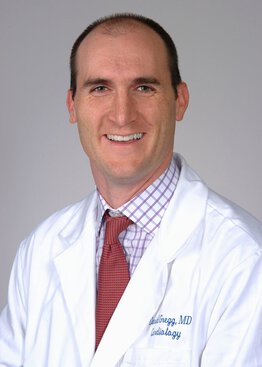
David Gregg, M.D.
Director, Adult Congenital Heart Disease Fellowship
Professor, Cardiology
Dr. David Gregg is an academic cardiologist specializing in adult congenital heart disease and non-invasive cardiovascular imaging. He is board certified in internal medicine, cardiovascular disease, and adult congenital heart disease, and is widely recognized for his contributions to clinical care, program development, and the advancement of adult congenital cardiology.
Dr. Gregg completed his residency in internal medicine with additional training in cell biology and cardiovascular genomics at Duke University Medical Center. He subsequently pursued fellowship training in cardiology at the University of California, San Francisco, focusing on adult congenital heart disease and advanced non-invasive imaging.
Since 2006, Dr. Gregg has led the Adult Congenital Heart Disease Program at the Medical University of South Carolina, which he founded in collaboration with pediatric cardiology. In addition to coordinating comprehensive inpatient and outpatient care for adults with congenital heart disease, he maintains an active general cardiology practice with a particular interest in valvular heart disease.
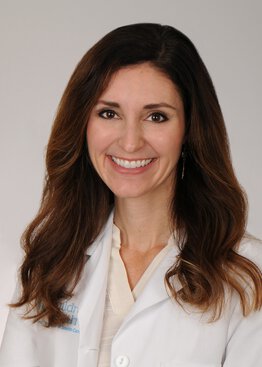
Stephanie S. Gaydos, M.D.
Assistant Professor, Cardiology and Pediatric Cardiology
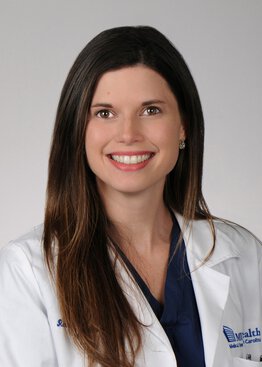
Rochelle Judd, MSN
Adult Congenital Nurse Practitioner
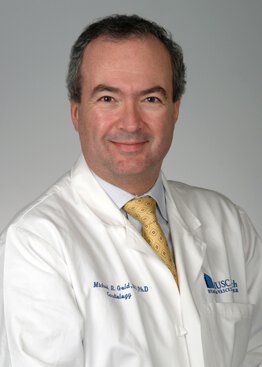
Michael Gold, M.D., Ph.D.
Professor, Cardiology
Michael Assey Chair in Cardiology
Michael R. Gold, M.D., Ph.D. is an academic cardiologist and clinical cardiac electrophysiologist who serves as the Michael E. Assey Professor of Medicine in Cardiology. He is board certified by the American Board of Internal Medicine in internal medicine, cardiovascular disease, and clinical cardiac electrophysiology.
Dr. Gold is the author of more than 250 peer-reviewed publications and is widely recognized for his contributions to the field of cardiovascular medicine. His clinical and research expertise includes cardiac electrophysiology, cardiac arrhythmias, implantable cardiac devices, and advanced heart failure therapies.
He is considered a pioneer in the development of novel defibrillation techniques and device-based therapies, including innovative pacing strategies for the management of congestive heart failure. His work has significantly advanced the treatment of arrhythmias and improved outcomes for patients with complex cardiovascular disease.
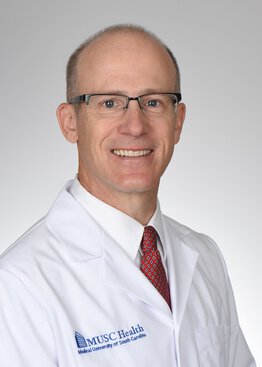
Daniel Judge, M.D.
Director, Cardiology Fellowship
Edwin W. & Teresa H. Rogers Endowed Chair for Cardiovascular Research
Professor, Cardiology
Dr. Daniel Judge is a professor of medicine in cardiology at MUSC, Edwin W. & Teresa H. Rogers Endowed Chair for Cardiovascular Research, and Fellowship Director in Cardiology. He earned his medical degree from the University of Pennsylvania and completed training in internal medicine, cardiology, and advanced heart failure/transplant cardiology at Johns Hopkins. Board-certified in cardiology and advanced heart failure, Dr. Judge cares for patients with inherited cardiovascular diseases and heart failure. His research focuses on cardiovascular genetics, amyloidosis, and arrhythmogenic right ventricular cardiomyopathy, and he has authored over 150 scientific publications.
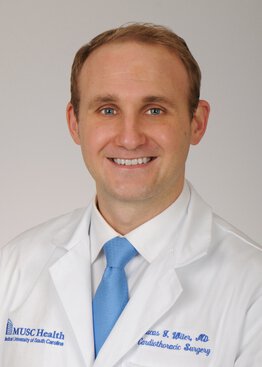
Lucas Witer, M.D.
Assistant Professor of Surgery, Division of Cardiothoracic Surgery
Dr. Lucas Witer is a fellowship-trained cardiothoracic surgeon who specializes in heart transplantation, coronary artery disease, aortic valve surgery and advanced heart failure. He is a part of the MUSC Heart and Vascular multidisciplinary team, collaborating with world class colleagues in areas like cardiology and vascular surgery.
Dr. Witer completed residency in general surgery at the Oakland University - William Beaumont Hospital, a cardiothoracic surgery fellowship at the New York Presbyterian- Weill Cornell Medical Center and the Memorial Sloan Kettering Cancer Center. He continued advanced subspecialty training at the New York Presbyterian - Columbia University Medical Center in heart failure, advanced mechanical circulatory support, ventricular assist device implantation and cardiac transplantation.
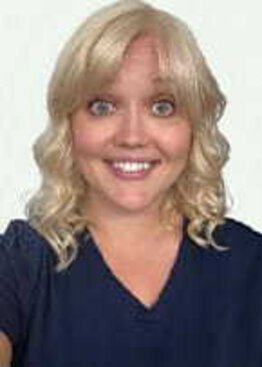
Tiffani Ross, BSN, RN
Nurse Coordinator
