


Digestive Diseases & Conditions

- Acute Pancreatitisarrow_forward
- Alcohol-Related Pancreatitisarrow_forward
- Colon & Rectum Disordersarrow_forward
- Chronic Pancreatitisarrow_forward
- Colon & Inflammatory Bowel Diseasearrow_forward
- Upper GI & Esophageal Disordersarrow_forward
- Hereditary Pancreatitisarrow_forward
- IPMN - Intraductal Tumorsarrow_forward
- Liver, Gallbladder, Pancreas & Biliary Tractarrow_forward
- Pancreas Divisumarrow_forward
- Pancreatic Cancerarrow_forward
- Pancreatic Insufficiencyarrow_forward
- Pancreatic Disordersarrow_forward
- Small Bowel & Nutrient Absorption Issuesarrow_forward
- Stomach Disordersarrow_forward
- Systemic & Metabolic-Related Conditionsarrow_forward
Advanced Digestive Care
Our expert team diagnoses and treats the full spectrum of digestive diseases — from common conditions like acid reflux and irritable bowel syndrome, to complex disorders such as Crohn’s disease, liver disease and gastrointestinal cancers. Using the latest diagnostic tools and advanced treatments, we provide highly personalized care to help you manage your symptoms, improve your digestive health, and enhance your quality of life.
Get Digestive Care
You can call or go online to schedule an appointment.
Diseases We Treat
Get expert diagnosis and treatment for a wide range of digestive diseases, including conditions that affect gastrointestinal function, digestion, and nutrient absorption.
Anorectal & Lower GI Disorders
- Anal Stenosisarrow_forward
- Crohn's Diseasearrow_forward
- Colon Canceropen_in_new
- Colonic Inertiaarrow_forward
- Diverticulosis/Diverticulitisarrow_forward
- Familial Adenomatous Polyposisarrow_forward
- Irritable Bowel Syndrome (IBS)arrow_forward
- Polypsarrow_forward
- Rectal Descent and Rectal Prolapsearrow_forward
Understanding Your Digestive System
Your digestive tract is a 29 to 30-foot-long passage that runs from the mouth to the anus, moving food and drink through your body food and drink through your system, breaking it down with juices and enzymes, extracting nutrients into the bloodstream, storing energy for later use, and removing waste—all without you even noticing. But when something goes wrong, it can significantly impact your quality of life. The hollow organs of this system include the esophagus, stomach, small intestine, colon, and rectum. Solid organs that support digestion and energy balance include the liver, pancreas, gallbladder, and biliary tree.

Digestive Organs
With so many organs performing so many functions in your digestive system, the number of things that can go wrong is vast. However, problems can be broadly categorized:
- The movement of food through the digestive tract and through the various sphincters
- The production and delivery of juices that aid in digestion, and the absorption of nutrients from food.
- Inflammation and organ dysfunction
- Tumors and cancerous growths
The digestion system is a wonder of chemicals, muscles and membranes all working together in a very organized fashion to help keep us alive. No one feels good if their digestive system is not functioning well.
Three different salivary glands in your mouth mix enzymes with the food to create a bolus, or mass, that can be easily swallowed into the esophagus. The esophagus consists of a long tube of muscles that constrict and contract in a rhythm that moves the bolus to a tight closure at its base, known as a sphincter. The sphincter then relaxes and allows the bolus to pass into the stomach.
The stomach is lined with a special membrane that secretes digestive juices that begin the process of breaking down food into usable energy. These digestive juices are acidic; they literally dissolve the food you eat. However, the lining of the stomach not only creates the juices, it creates a chemical barrier that enables the organ to withstand its own digestive juices. The stomach is enclosed by two sets of sphincter muscles that keep the contents of the stomach away from the rest of the organs until this process is complete.
Once food has been broken down and dissolved enough in the stomach, it makes its way into the first part of the small intestine, which is called the duodenum. The duodenum is where food is further digested by pancreatic enzymes and bile. Next, circular folds in the small intestine help to slow the movement of food, so nutrients can be absorbed into the body. Examined under a microscope, the small intestine has tiny structures known as villi that perform this absorption function. Both the folds and villi of the small intestine give this organ a large surface area, which is helpful for absorbing nutrients.
What remains after the body has absorbed the nutrients from your meal is waste product. In the colon (large intestine), water is absorbed from the liquid material that passes from the small intestine creating feces that is stored in the rectum prior to a bowel movement. When you go to the bathroom, the rectum uses a stricture that opens to allow feces to be excreted from the body.
Organs that make enzymes and add them to the food we eat are known as solid organs. Enzymes convert dissolved food (from the stomach) into energy the body can use. These organs —liver, gallbladder, and pancreas— perform many functions that aid digestion, as well as maintain a regulated energy flow to the rest of the body. These enzymes are delivered into the duodenum via the biliary tract (or biliary tree).
Find a Provider
Accepting New Patients

Elizabeth Harding, PA-C
Specialties
- Gastroenterology & Hepatology
- Telehealth
Locations (3)
- Charleston, SC
- Mount Pleasant, SC
- West Ashley, SC

Alexander Podboy, M.D., DABOM
Specialties
- Gastroenterology & Hepatology
Locations (1)
- Charleston, SC
Find a Location
MUSC Health Gastroenterology at Ashley River Tower
Address
MUSC Health Ashley River Tower25 Courtenay Drive
2nd Floor, ART
Charleston, SC 29425
Hours
- Monday8 a.m. to 5 p.m.
- Tuesday8 a.m. to 5 p.m.
- Wednesday8 a.m. to 5 p.m.
- Thursday8 a.m. to 5 p.m.
- Friday8 a.m. to 1 p.m.
- SaturdayClosed
- SundayClosed
Specialties
- Gastroenterology & Hepatology
MUSC Health Gastroenterology & Hepatology
Address
MUSC Health Clements Ferry Pavilion1101 Waterline Street
Clements Ferry Pavilion, 3rd Floor
Charleston, SC 29492
Hours
- Monday8 a.m. to 5 p.m.
- Tuesday8 a.m. to 5 p.m.
- Wednesday8 a.m. to 5 p.m.
- Thursday8 a.m. to 5 p.m.
- Friday8 a.m. to 5 p.m.
- SaturdayClosed
- SundayClosed
Specialties
- Gastroenterology & Hepatology
MUSC Health Gastroenterology at West Ashley Medical Pavilion
Address
MUSC Health West Ashley Medical Pavilion2060 Sam Rittenberg Boulevard
West Ashley Medical Pavilion, 2nd Floor
West Ashley, SC 29407
Hours
- Monday8 a.m. to 5 p.m.
- Tuesday8 a.m. to 5 p.m.
- Wednesday8 a.m. to 5 p.m.
- Thursday8 a.m. to 5 p.m.
- Friday8 a.m. to 5 p.m.
- SaturdayClosed
- SundayClosed
Specialties
- Gastroenterology & Hepatology
Recent Digestive Health News & Stories
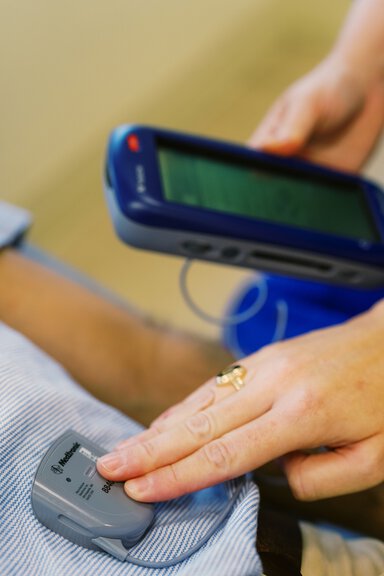
MUSC News + Digestive Care
MUSC uses electrical stimulation to treat debilitating gastroparesis
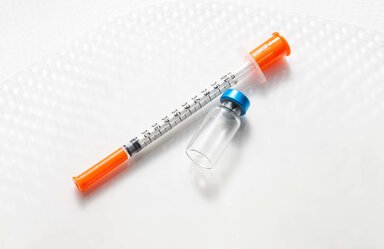
MUSC News + Emergency and Trauma
Florence doctor shares cautionary tale of patient’s accidental weight loss drug overdose

Digestive Care + Wellness
Gut health grows here: How a campus food forest connects digestive health, community and access
