


MUSC Advocacy Program (MAP)
24/7 social work response for patients experiencing intimate partner violence, abuse, neglect, or human trafficking — with safety planning, crisis intervention, and community referrals.
If you or someone with you is having any life-threatening emergency, call 911 immediately.
MUSC Health operates South Carolina's first Level I trauma center and remains the only Level I trauma program serving the Lowcountry, providing the highest level of trauma care 24 hours a day, 7 days a week.
Level I designation — the highest level awarded by the American College of Surgeons — means MUSC Health maintains the resources, specialists, and systems to treat the most complex and life-threatening injuries at any hour. Trauma surgery, neurosurgery, orthopedics, plastic surgery, critical care, and other specialist services are available around the clock.
Our trauma program is nationally recognized for both clinical care and research. MUSC Health's trauma surgeons are board-certified in surgical critical care, and our research advances trauma treatment protocols across South Carolina and beyond. We actively participate in statewide efforts to improve trauma care and injury prevention throughout the region.
MUSC Health also operates a Pediatric Level I trauma center at MUSC Health Shawn Jenkins Children's Hospital, providing the same comprehensive level of trauma care specifically for children and adolescents.
MUSC Health's Level I trauma center treats life-threatening and limb-threatening injuries caused by accidents, falls, violence, and other traumatic events in adults and children.
Injuries to the brain from blunt force, penetrating trauma, or acceleration-deceleration events — including concussion and severe TBI.
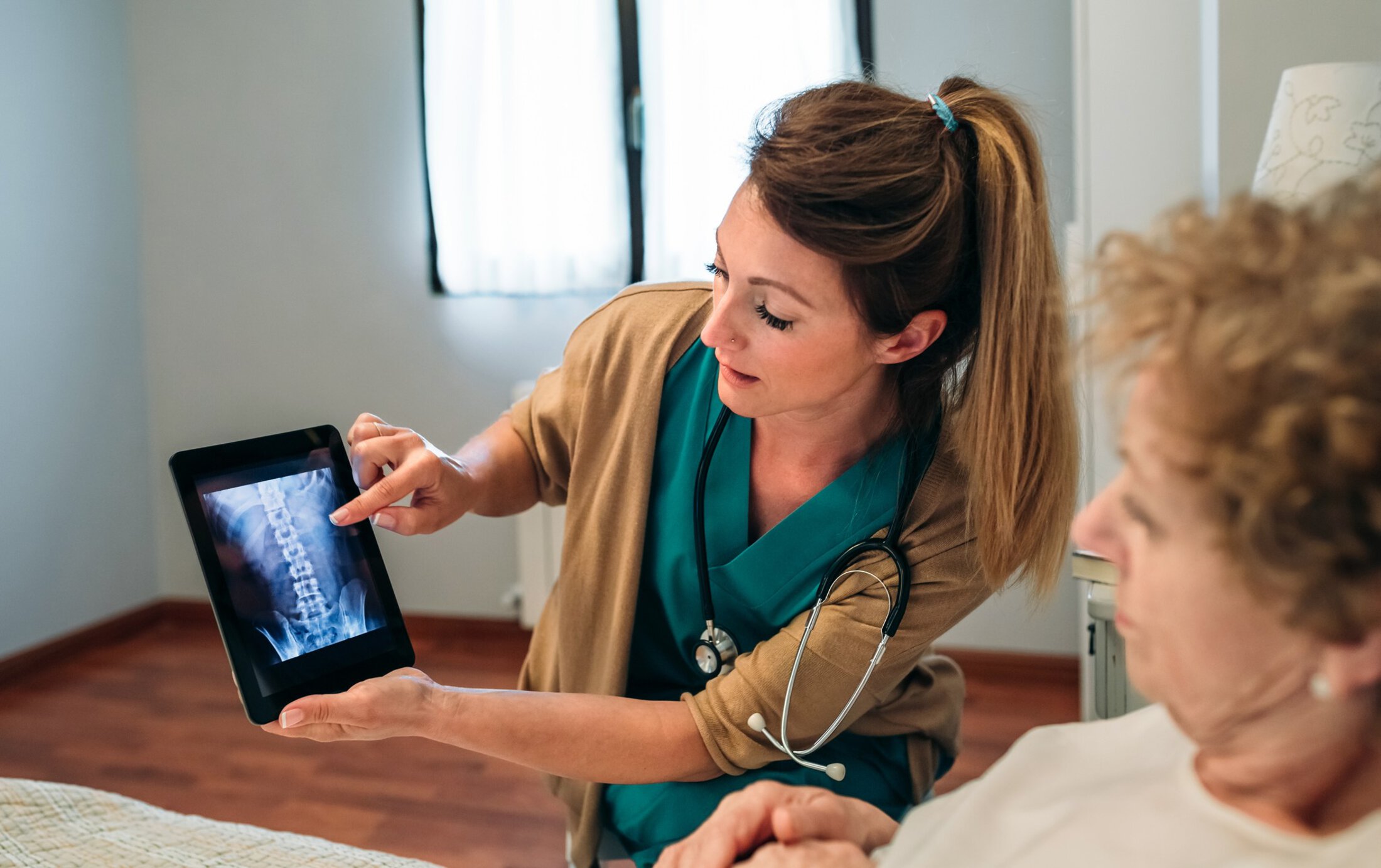
Fractures, dislocations, or penetrating injuries to the spine that affect mobility, sensation, or organ function.
Rib fractures, punctured lung (pneumothorax), chest wall injuries, and injuries to the heart or major blood vessels.
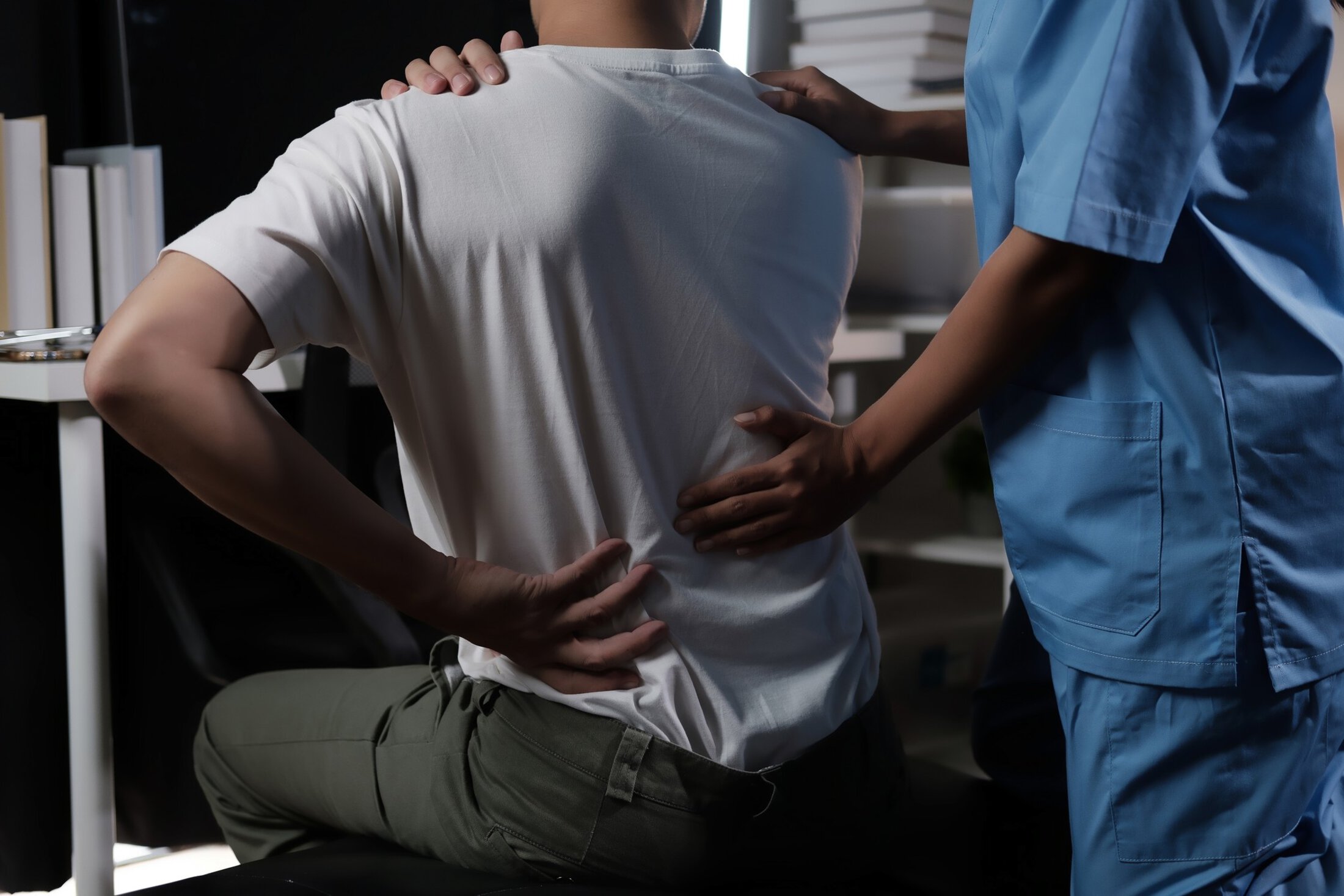
Injuries to the liver, spleen, kidneys, or other abdominal organs, including internal bleeding and organ rupture.
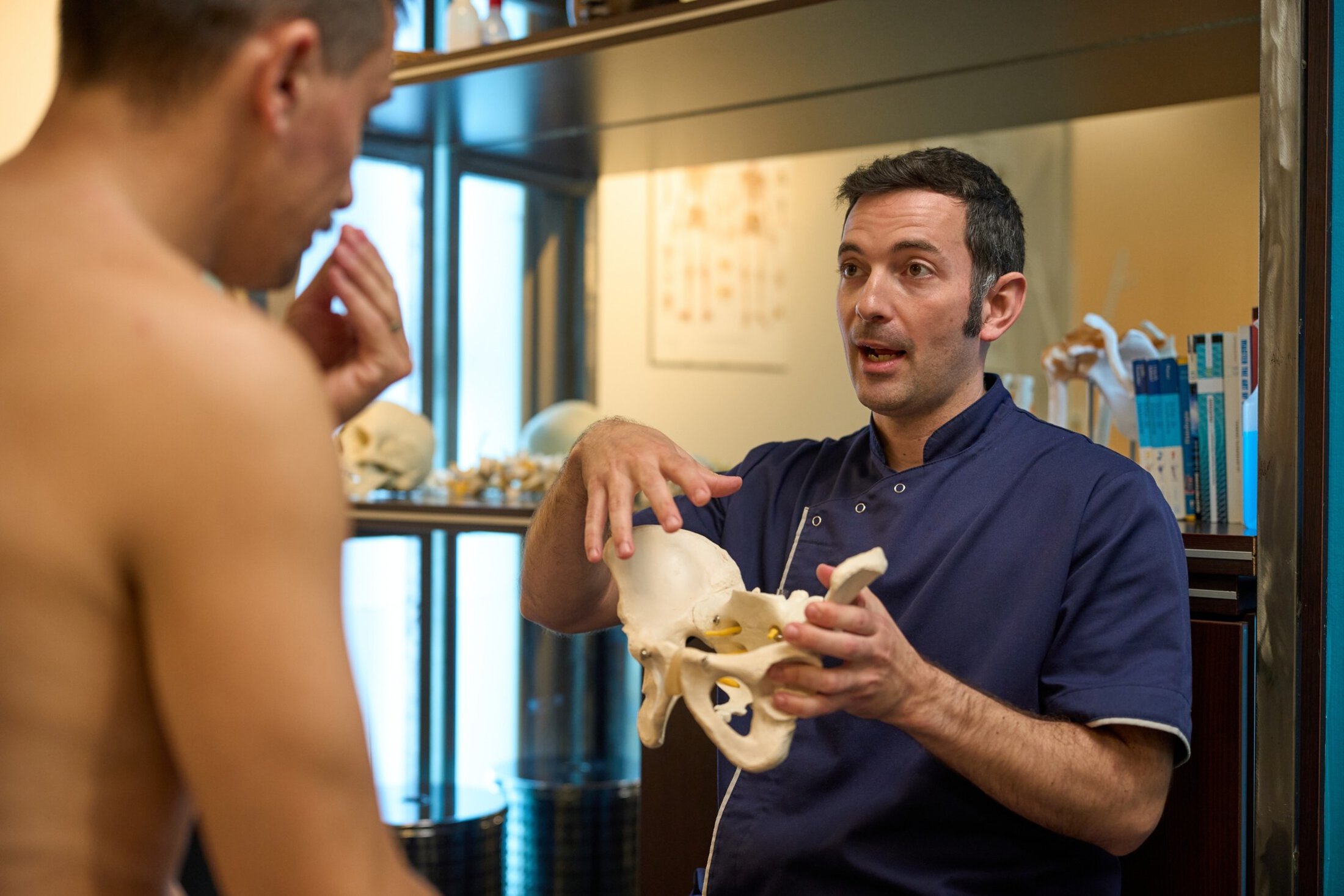
Complex fractures of the pelvis, femur, or other major bone structures requiring surgical repair.
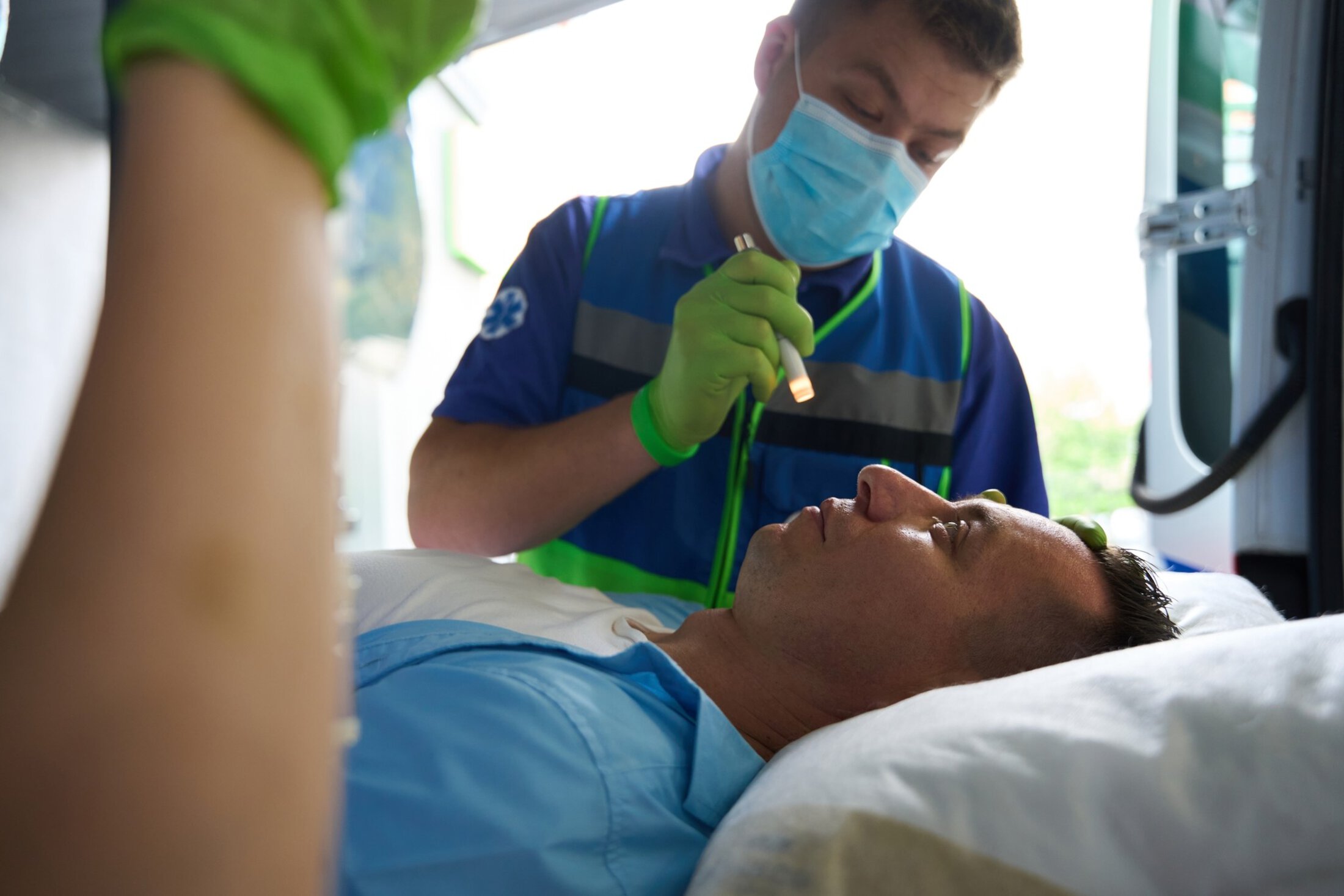
Life-threatening uncontrolled bleeding, including internal hemorrhage, requiring immediate surgical and critical care intervention.
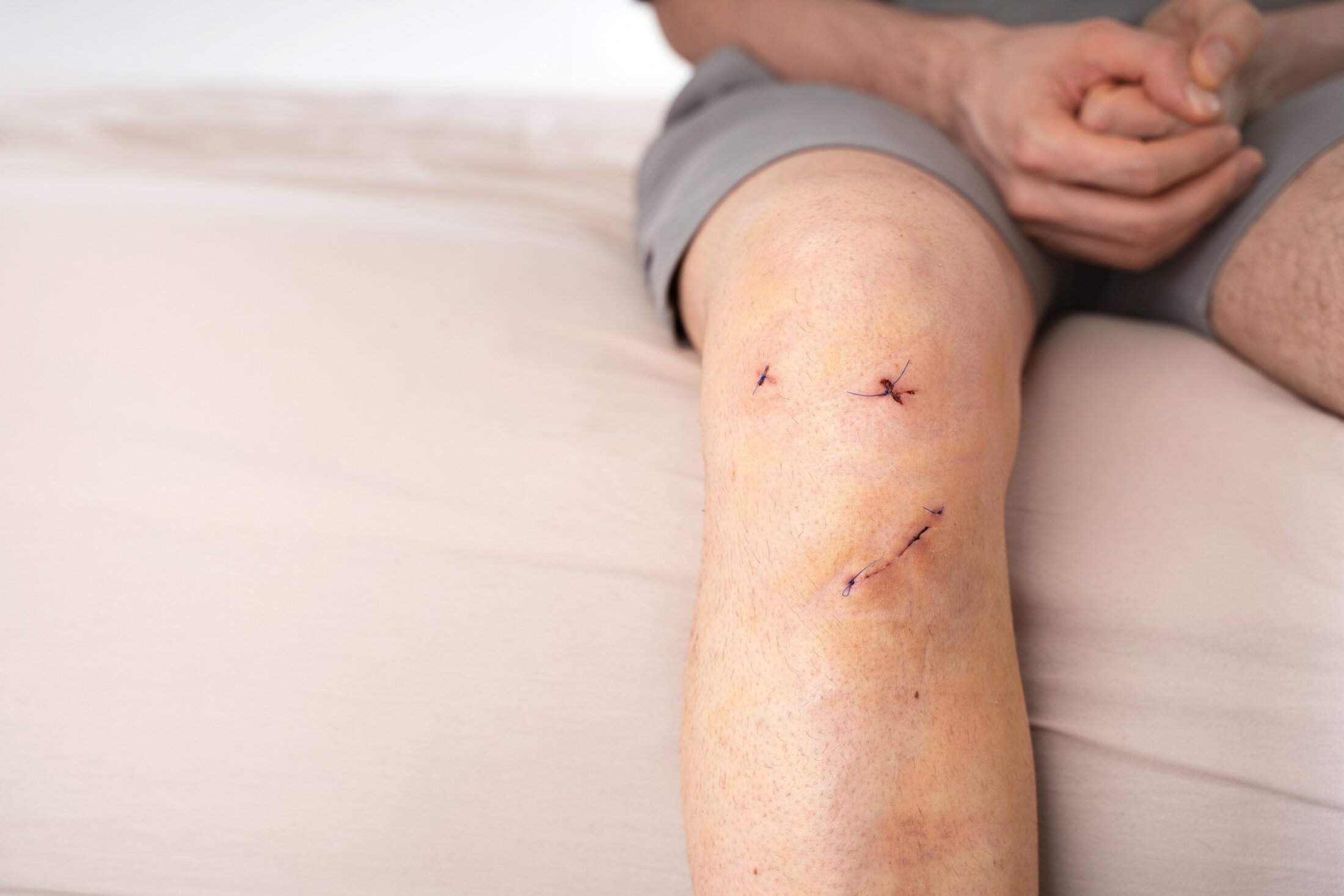
Deep wounds, stab wounds, and soft tissue injuries requiring complex repair, including coordination with plastic surgery.
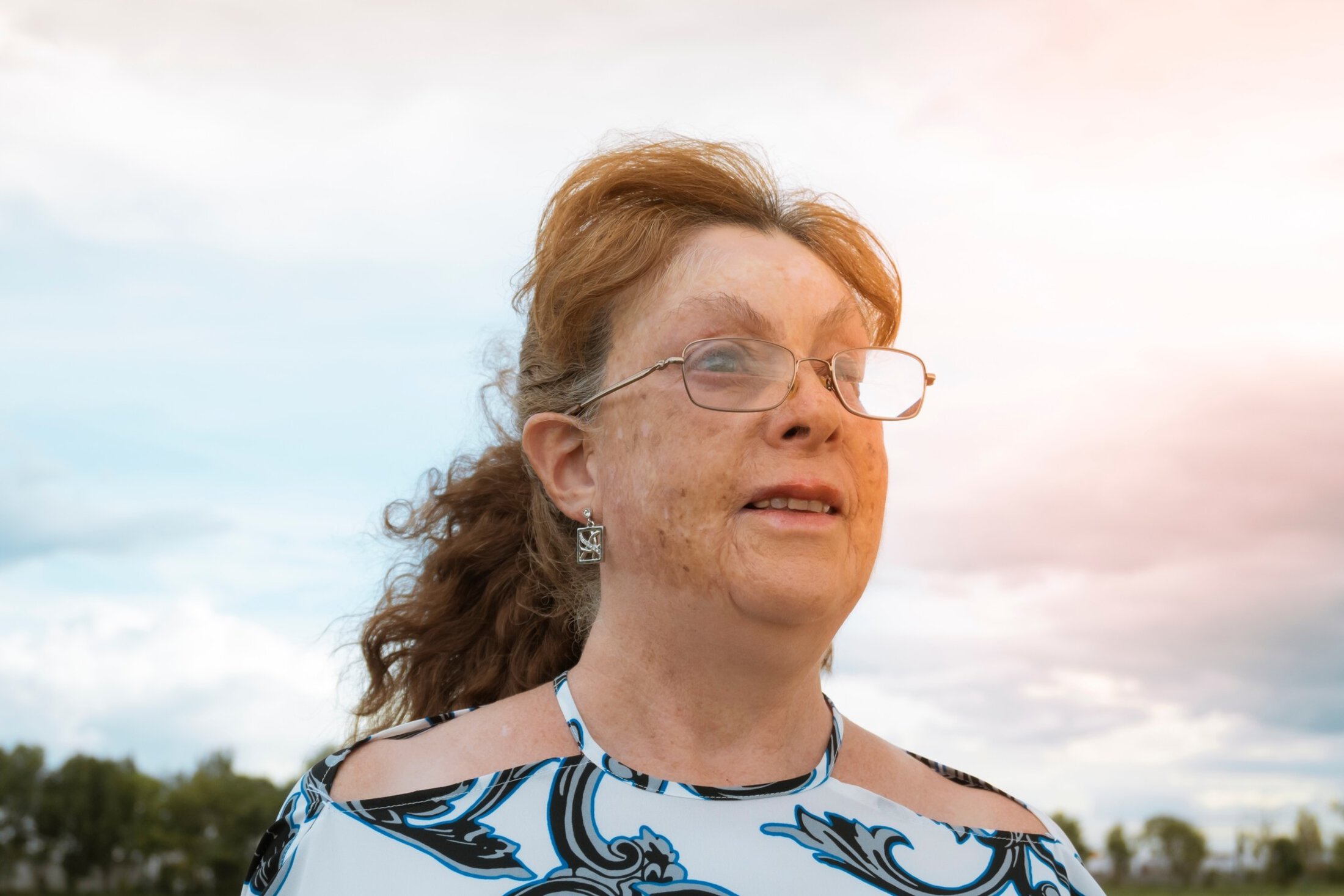
Severe burns are treated in coordination with the South Carolina Burn Center at MUSC Health.
When you arrive at MUSC Health after a traumatic injury, a dedicated trauma team is ready to begin care immediately. Here is what happens at each stage.
Most trauma patients arrive by ambulance. Emergency medical service (EMS) teams contact MUSC Health trauma specialists before arrival so care begins the moment you reach the trauma bay. The trauma team rapidly assesses airway, breathing, circulation, and neurological status, and initiates stabilizing treatment in parallel.
Trauma surgeons evaluate the full extent of injuries using physical examination and advanced imaging, including CT scans, X-rays, and ultrasound. This rapid, systematic assessment determines which injuries are immediately life-threatening and guides the treatment plan. Our imaging capabilities are available 24 hours a day.
After surgery or major intervention, patients receive specialized care in MUSC Health's trauma intensive care unit, with continuous monitoring and support for organ function, pain management, and wound care. The trauma team coordinates physical therapy, occupational therapy, and other rehabilitation services to support recovery from the earliest stages of hospitalization.
When injuries require surgery, MUSC Health trauma surgeons use advanced techniques including minimally invasive approaches and specialized equipment for complex repairs — such as rib plating for severe chest injuries. Trauma surgery is coordinated with any required specialist, including neurosurgery, orthopedics, plastic surgery, or vascular surgery, at any hour of the day or night.
Recovery from a traumatic injury extends well beyond the hospital. MUSC Health offers specialized programs to support your physical, emotional, and social recovery — and to help protect your community.
24/7 social work response for patients experiencing intimate partner violence, abuse, neglect, or human trafficking — with safety planning, crisis intervention, and community referrals.

An interactive, self-paced online program to help trauma survivors understand where they are in recovery, set goals, and build the skills to move forward.

Telehealth-based mental health screening, counseling, and support for trauma patients experiencing depression, anxiety, or PTSD after injury.
A trauma-informed, hospital-based violence intervention program providing wrap-around support and community resources to patients affected by violence, primarily ages 12–30, across the Lowcountry.
Recovering from a serious injury affects every part of your life. The resources below can help you and your family navigate recovery, mental health, legal matters, financial assistance, and community support.
A national program of the American Trauma Society connecting trauma patients and families with peers and community resources. MUSC Health TSN Coordinator: 843-792-8401 | traumasurvivors@musc.edu | traumasurvivorsnetwork.org
Outpatient trauma-focused treatment for all types of traumatic events. 67 Presidents Street, 2nd floor, Institute of Psychiatry, Charleston, SC 29425. Phone: 843-792-8209
Local domestic violence shelter and crisis services. Crisis Line: 843-744-3242 | National Domestic Violence Hotline: 800-799-7233
24/7 social work response for IPV, abuse, neglect, and human trafficking. Call MUSC Health operator at 843-792-2300 and ask for the on-call MAP social worker. Visit MAP website.
MUSC Health's Trauma Survivors Network coordinator connects patients and families with peer support, community resources, and follow-up services. Contact the TSN coordinator at 843-792-8401 or traumasurvivors@musc.edu. Additional resources — including mental health crisis lines, legal services, social services, and financial assistance programs — are listed on this page under resources for trauma patients & families.
A Level I trauma center is the highest level of trauma designation awarded by the American College of Surgeons. It means the facility maintains 24/7 access to trauma surgeons, specialist physicians, anesthesiologists, and the full range of equipment and resources needed to treat the most severe and complex injuries. MUSC Health's Level I trauma center is the first in South Carolina and the only one serving the Lowcountry.
MUSC Health's Level I trauma center is located at MUSC University Medical Center in Charleston, South Carolina. Most trauma patients arrive by ambulance — if you or someone with you has a life- or limb-threatening injury, call 911.
Yes. MUSC Health operates a pediatric Level I trauma center at MUSC Health Shawn Jenkins Children's Hospital in Charleston, South Carolina. The pediatric trauma center provides the same highest level of trauma care specifically for children and adolescents.
MUSC Health's Level I trauma center treats a full range of traumatic injuries, including traumatic brain injury, spinal cord injury, chest and lung injuries, abdominal organ injuries, pelvic and long bone fractures, hemorrhage, severe lacerations, and injuries from car accidents, falls, and violence. Severe burns are treated in coordination with the South Carolina Burn Center at MUSC Health.
Most trauma patients arrive by ambulance. EMS teams contact MUSC Health trauma specialists before arrival, so care begins immediately upon arrival. The trauma team assesses injuries, performs advanced imaging, and initiates treatment — including surgery if needed — as rapidly as possible. After initial treatment, patients receive critical care and, when ready, begin rehabilitation.
MUSC Health offers several programs to support emotional recovery after a traumatic injury. The Trauma/Telehealth Resilience and Recovery Program (TRRP) provides telehealth-based mental health screening and counseling for depression, anxiety, and PTSD. The NextSteps program is a self-paced online recovery support program. The Trauma Survivors Network connects patients with peers who have experienced similar injuries. The MUSC Advocacy Program (MAP) provides 24/7 social work support for patients experiencing violence or abuse.
Find the information and tools you need to access trauma care, manage your health, and get support during recovery.
