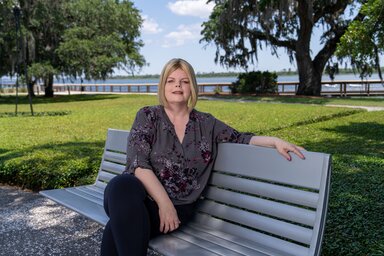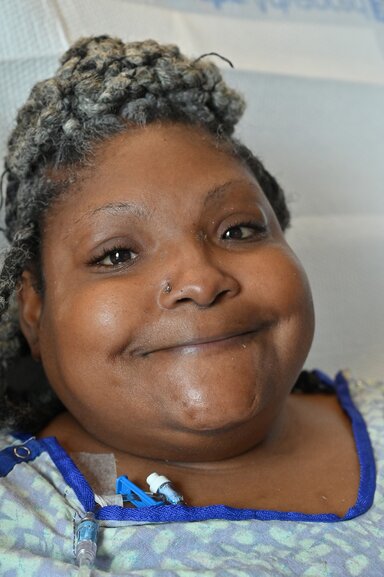


South Carolina’s only Level 4 Epilepsy Center of Excellence.

At the MUSC Health Comprehensive Epilepsy Center, we offer expert personalized treatment—including epilepsy genetic testing, medication, and surgery—to help reduce or eliminate seizures so you can live life to the fullest. As South Carolina’s only Level 4 Epilepsy Center, our doctors are recognized by the National Association of Epilepsy Centers for their extensive knowledge and comprehensive treatment of patients with seizure disorders.
Advanced epilepsy care focused on your unique needs.

When you come to MUSC Health for epilepsy care and treatment, you benefit from:
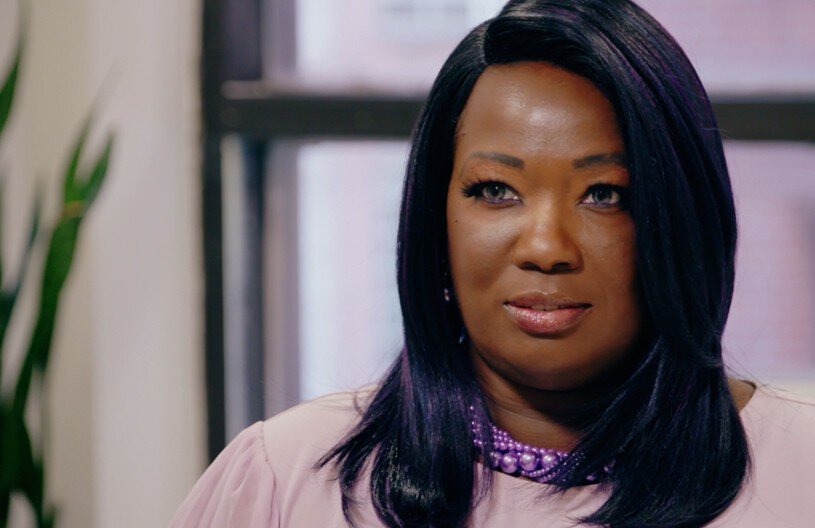
  • Most Experienced Team: Our team of neurologists, neurosurgeons, neurophysiologists, speech, occupational and physical therapists, social workers, and psychiatrists have devoted their careers to the management of epilepsy.
  • Advanced Testing: MUSC Health is the only Level 4 Epilepsy Center in the country with a complete suite of accredited diagnostic labs.
  • Customized Treatment Plan: We understand that having epilepsy goes beyond living with seizures. We’ll develop a treatment plan specific to your unique health needs.
  • Leaders in Research: Our team actively participates in clinical trials aimed at identifying causes of seizures and finding better treatments.
  • Convenience: Our seizure experts see patients on the main campus of MUSC Health in Charleston, as well as at our regional clinic locations.

Epilepsy treatment locations in South Carolina.

MUSC Health Neurology at Rutledge Tower

Address
135 Rutledge Ave
6th Floor
Charleston, SC 29425
Hours
Specialties
  • Neurology

MUSC Health - Neurology - Lancaster

Address
834 West Meeting Street
Medical Arts Building 4, Suite G
Lancaster, SC 29720
Hours
Specialties
  • Neurology

MUSC Health Neurology at Florence Medical Pavilion

Address
1594 Freedom Blvd
Medical Pavilion C, Suite 206
Florence, SC 29505
Hours
Specialties
  • Neurology

Epilepsy testing and inpatient monitoring.

The first step to improving your quality of life often includes advanced testing. With this information, our highly skilled doctors can determine your best chances for seizure control.

How we use epilepsy testing

We use testing to confirm an epilepsy diagnosis and determine the type of epilepsy with a high degree of accuracy. For hard-to-treat epilepsy, testing enables us to plan your treatments meticulously. This level of care is only available in comprehensive epilepsy centers, such as the one at MUSC Health.

Highlights of our program include:

  • National recognition: Our inpatient epilepsy monitoring unit holds accreditation by the National Association of Epilepsy Centers. Accreditation means we meet the highest care standards, and you can count on us for accurate results. MUSC Health’s center is the only level 4 epilepsy center in South Carolina.
  • Broad range of options: MUSC Health is home to a highly skilled brain disorder (neurophysiology) team. We use sophisticated testing options for epilepsy, seizures and other brain disorders. Find out more about our neurophysiology lab.
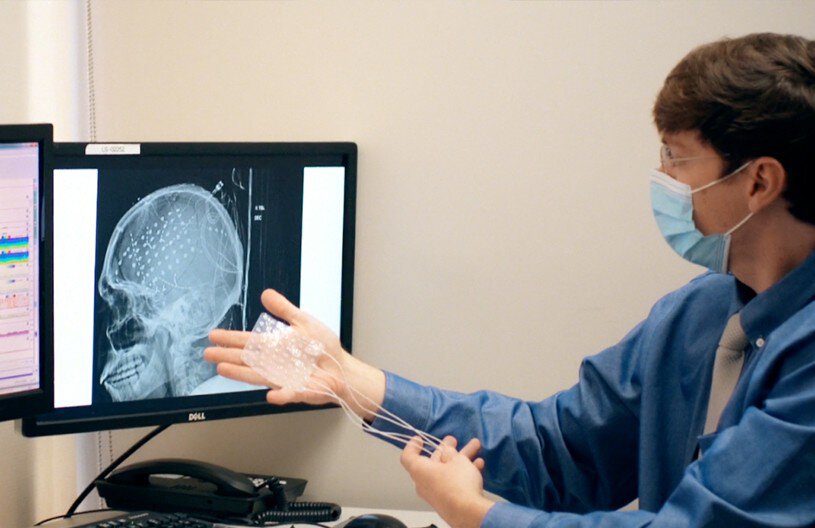
  • Appropriate care: Our team has decades of experience, allowing us to recommend the tests that fit your circumstances. In some cases, a standard EEG (electrical brain activity test) is all that’s necessary. For complex cases, you may need tests to pinpoint the seizure focus, the area of the brain where seizures start.
  • Precise treatments: Testing enables us to tailor your treatments, including the type and dosage of epilepsy medications, giving you better chances of seizure control. Before surgery, testing helps us target the treatment area to deliver excellent results.

Outpatient Epilepsy Testing

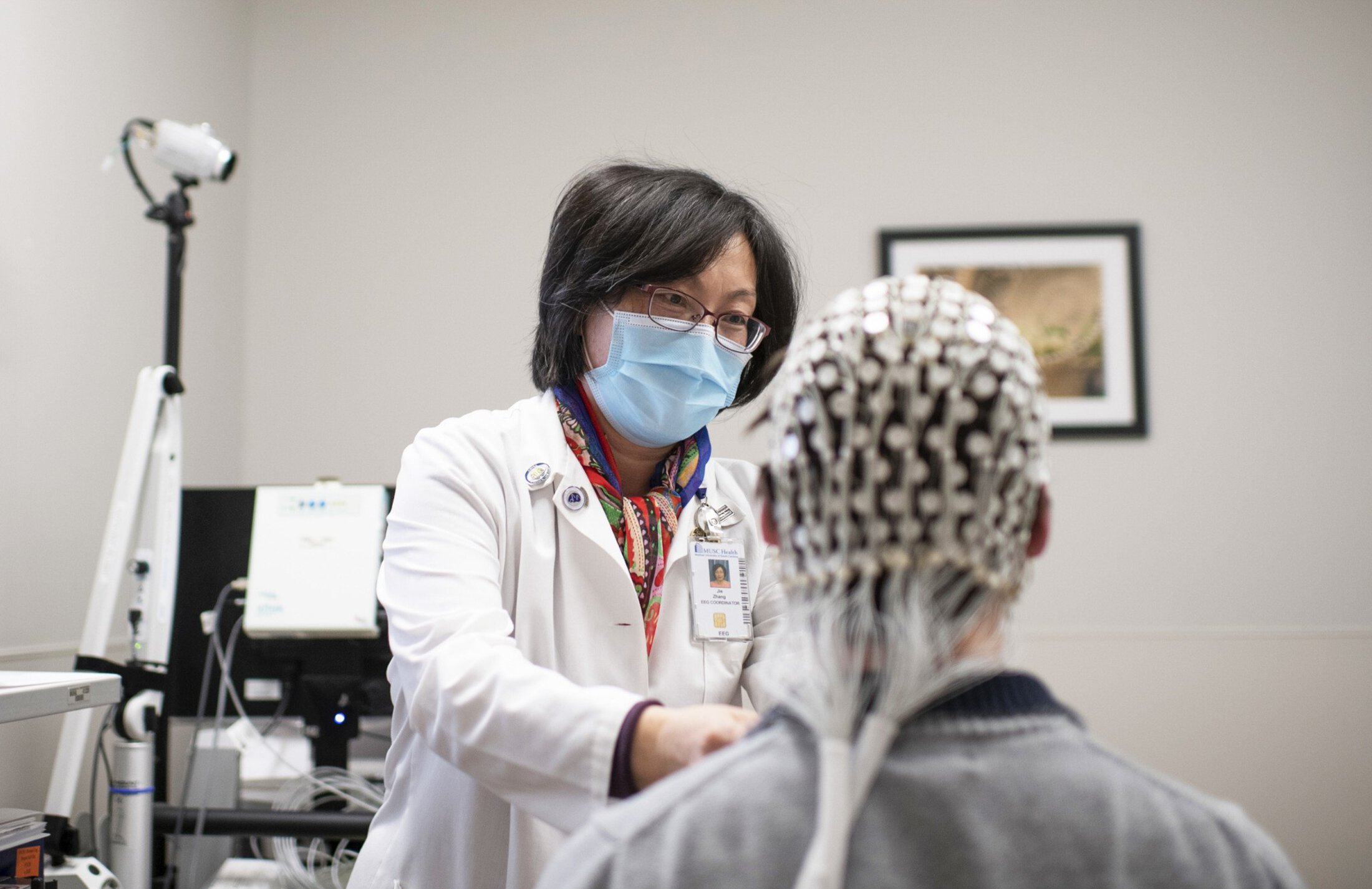
EEG is a test for detecting abnormal electrical brain activity that signals a seizure. Evaluating this activity helps us determine the type of epilepsy and which treatments may work best.

You may receive monitoring with an EEG:

  • On the same day as an office visit: In some cases, we offer same-day EEGs. This option lets you receive testing without an extra appointment. But the test is often brief, which sometimes makes it difficult to capture seizure activity.
  • While you are at home: You receive a portable EEG device to track brain activity as you go about your daily life. This option allows our team to observe symptoms over a longer period. It increases the likelihood of capturing seizure activity.
  • During a doctor’s visit near home: You have access to MUSC Health epilepsy experts from your local physician’s office. Using secure videoconferencing technology, we perform an EEG and discuss findings with you and your local care team.

Inpatient (Video-EEG) Monitoring

Video-EEG monitoring may be necessary to determine what’s causing seizure activity. You stay in the hospital for up to six days while we use a combination of EEG and video monitoring in our epilepsy monitoring unit.

Epilepsy Monitoring Unit

Our specialized seven-bed epilepsy monitoring unit offers the latest digital monitoring and video capabilities. This technology captures seizure activity in a fraction of the time required in most standard monitoring units. Our doctors can quickly and efficiently provide a diagnosis.

Learn more about HD-EEG

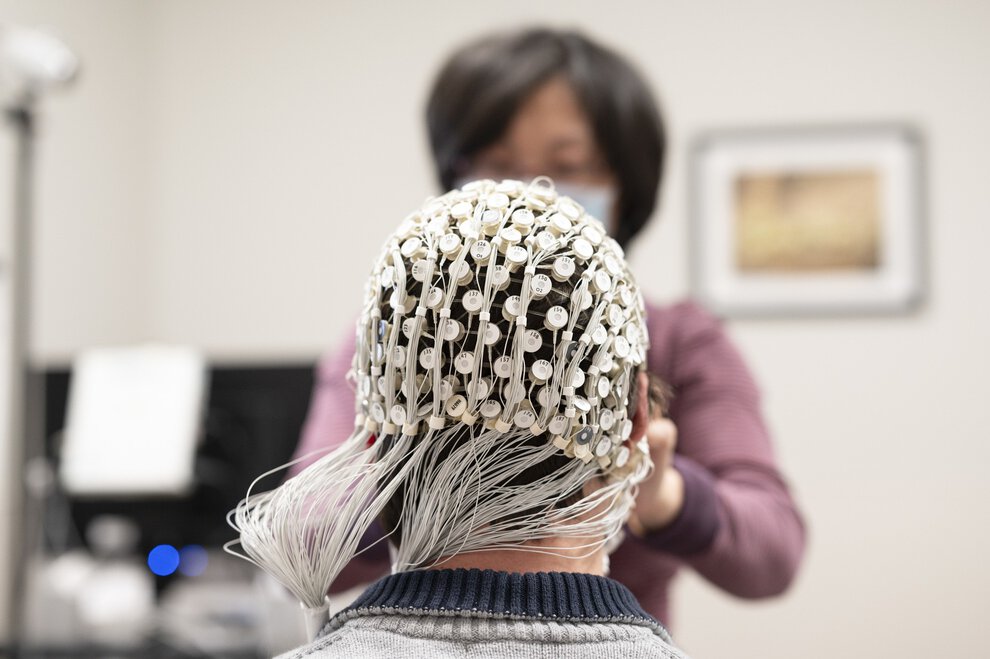
MUSC Health is the only center in the southeast that offers high-density electroencephalogram (HD-EEG) treatment. To find out more about this advanced noninvasive procedure, read the EEG Patient Guide.

EEG Patient Guide

Epilepsy treatment at MUSC Health.

Our team helps many people reduce or eliminate seizure activity with medications. You’ll also have access to options, including surgery, for epilepsy that does not respond to standard treatments.

Why Choose MUSC for Treatment?

Highlights of our program include:

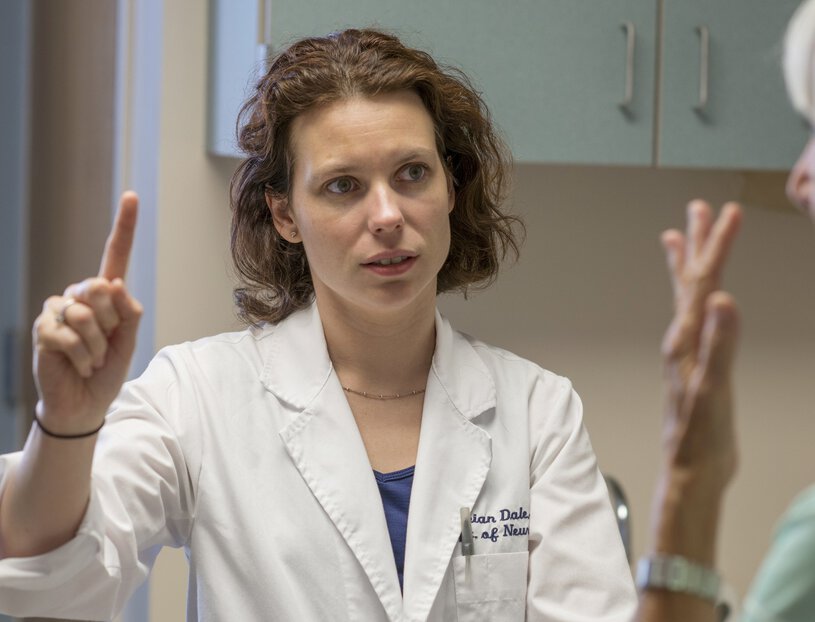
  • Expertise: Our team includes epileptologists. These are neurologists (doctors specializing in the brain) who have advanced (fellowship) training in epilepsy. MUSC Health is also home to neurosurgeons who perform a high volume of epilepsy procedures. This level of skill enables us to treat the most complex forms of epilepsy. Meet our comprehensive epilepsy center team.
  • Appropriate care: Our active role in research means we follow the latest care methods. You can be confident that you’ll receive the treatments that are best for your needs. We do comprehensive testing, including inpatient epilepsy monitoring, to deliver precise, individualized care.
  • Options for difficult-to-treat epilepsy: We offer hope for epilepsy that does not respond to medications. We are the only program in South Carolina offering epilepsy surgery, and we help many patients achieve excellent results.

Personalized Epilepsy Treatment

Our team of epileptologists, neurosurgeons, nurses, psychologists and other specialists meets regularly to coordinate care for complex cases. We review test results and consider all care options before making treatment recommendations.

All patients at MUSC Health receive personalized care. Even if your diagnosis is uncomplicated, we take time to get to know you so we can tailor therapies to meet your needs.

We develop a lasting relationship with you to help you get the most out of treatment. And if you live far away, we coordinate with your local care team so you can receive some therapies close to home. We use telemedicine (video appointments) to better personalize your care.

Nonsurgical Epilepsy Treatments

Your personalized care plan may include:

  • Antiseizure medications: Medications can help control the intensity and frequency of seizures. We recommend antiseizure medicines that are right for your diagnosis. And we tailor doses to help you achieve the best possible results.
  • Ketogenic diet: This high-fat, low-carbohydrate diet reduces seizure activity in some people, including children. Registered dietitians help you learn which foods to eat. They can give recommendations that make it easier to maintain this diet.
  • Nutrition support: Registered dietitians specializing in neurological disorders recommend foods to optimize your well-being and lower your risk of seizures.
  • Other therapies: Occupational therapists help you find ways to cope with issues like sensitivity to light and noise. Speech therapists help you push past difficulty speaking. You may need this therapy if seizures occur in the area of the brain that controls language.

Surgery for Seizure Disorders

We carefully resect (remove) or destroy the section of brain tissue causing seizure activity (seizure focus). Options include traditional open surgery or a procedure that uses laser technology and smaller incisions.

Our doctors were the first in South Carolina to use this minimally invasive surgical treatment. During this procedure:

  • Your doctor makes a small keyhole incision in your skull.
  • Using advanced imaging technology, your doctor inserts a thin laser probe through the incision and guides it to the seizure focus of the brain.
  • The laser generates light and heat that destroys the seizure focus.
  • This procedure has less risk of infection and complications, as well as a faster recovery time, then traditional open skull brain surgery.

Surgeons implant insulated wires (leads) into the seizure focus. Leads connect to an implantable device that delivers gentle electrical signals to prevent or stop seizure activity.

Your doctor may recommend vagus nerve stimulation (VNS) if your seizures have not responded well to other treatment. During this procedure: 

  • Your doctor implants the VNS device underneath the skin on the left side of your chest. 
  • Tiny wires, or leads, connect the device to the vagus nerve in your neck. 
  • The VNS device sends electrical pulses through the leads to your vagus nerve and brain. These pulses disrupt seizure activity. 

MUSC Health was the first medical center in the state to introduce the RNS™ System. During this procedure:

  • Your doctor places tiny wires, called leads, into the seizure source.
  • The leads connect to a neurostimulator device hidden under your scalp.
  • When the device detects unusual brain activity, it sends electrical pulses through the leads to disrupt the seizure, often before it starts.

Epilepsy Support

Epilepsy can affect your ability to live independently and your emotional and financial well-being. But at MUSC Health, you don’t have to navigate these challenges alone.

We make your life a little easier during epilepsy treatment with help from:
  • Social workers who arrange transportation to care appointments and connect you with helpful community resources
  • Financial counselors who provide information about financial assistance programs and bill-paying options
  • Support groups where you can share experiences with other people going through similar challenges

We're advancing epilepsy care and treatment every day.

Amelia
Virtual Assistant
Hello, I am Amelia. How can I help you today? If this is a medical emergency, please call 911 or report to your local emergency room.
toggle chat overlay