


Trauma Resilience & Recovery Program
About the Program
The Trauma/Telehealth Resilience and Recovery Program (TRRP) focuses on patients’ emotional recovery after they have experienced a traumatic injury. More than 20 percent of traumatic injury patients may experience depression or anxiety in the first year post-injury. Our program provides education, screening, assessment, referrals, and mental health treatment or “behavior therapy” to support patients through the process of managing these symptoms. We are primarily telehealth based, meaning you can access the majority of our services from anywhere, with a phone, tablet, or computer.
In addition to our services for patients, we also offer consultation to hospitals and trauma centers looking to provide trauma informed mental health resources to patients.
We provide several levels of care for traumatic injury patients served through our level-I trauma center at MUSC, as follows:
- Hospital Visit
We meet with you during your stay in the hospital to discuss emotional health and answer your questions about emotional recovery - Text Messaging Check-ups
After you leave the hospital, we send you texts checking in about stress and mood. We also send you tips and strategies to help you during your recovery - Recovery Assessment
Next, we call to check in with you to see how you are doing. We provide feedback and support to help you with emotional challenges or needs you may have after being injured. - Counseling Services
If you are struggling with symptoms of posttraumatic stress disorder or depression, we can help. Our clinic can provide services in person or through telehealth.
Our Recovery Assessment can be done at any time, even before or after the one month mark from your or your family member’s hospital stay. If you feel you or a family member are struggling with depression, anxiety, or have any mental health concerns, feel free to reach out to our program at 843-792-0979.
Most patients in the US never receive mental health screening or follow-up care after traumatic injury. In fact, few hospitals offer adequate mental health screening and follow up after injury and hospitalization. Patients could live with symptoms for up to ten years before receiving treatment. This program therefore improves access to care by bringing education and best-practice mental health treatment directly to patients at several stages of recovery after traumatic injury. Our goal is to accelerate mental health recovery by identifying and treating symptoms of depression and posttraumatic stress disorder early in the recovery process after injury.
Many of the patients we serve live more than 25 miles away from MUSC, and many others are not yet sufficiently mobile due to their physical injuries to attend face-to-face treatment sessions. With TRRP, patients can attend appointments from anywhere via telehealth. This telehealth treatment option allows patients to start mental health treatment regardless of where they are in their physical recovery or where they live. We can also provide referrals for patients with mental health needs that are not addressed by our services.
To learn more about emotional recovery and telemental health treatment, please visit our website at www.trrphealth.org
TRRP, funded by the Center for Telehealth at MUSC, represents a multidisciplinary partnership between MUSC’s Department of Surgery (General Surgery, Trauma, and Surgical Critical Care), Department of Pediatrics (Emergency Medicine), College of Nursing (Technology Applications Center for Healthful Lifestyles), Center for Telehealth, and Department of Psychiatry and Behavioral Sciences (National Crime Victims Research and Treatment Center).
Meet the TRRP Team
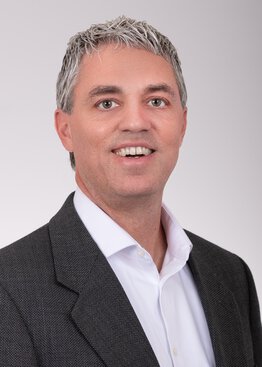
Kenneth Ruggiero, Ph.D.
Director, Digital Health Solutions Program - SC Clinical & Translational Research Institute
South Carolina SmartState Chair, Technology Applications Center for Healthful Lifestyles
Professor, College of Nursing
Ken Ruggiero, PhD, is Professor and SmartState Endowed Chair of the Technology Applications Center for Healthful Lifestyles (TACHL), as well as Director of the Telehealth Resilience and Recovery Program. He received his BA from the State University of New York at Buffalo and MA and PhD from West Virginia University, and completed his internship and NIMH postdoc at MUSC. Dr. Ruggiero’s research centers on the development, testing, and implementation of technology-enhanced interventions. Most of his early research focused on brief, web-based self-help interventions. Over time, this work evolved into the use and evaluation of technology-based stepped care approaches for victims of disaster and serious injury. He is PI on an active NIH grant (through 2021) to conduct a randomized controlled trial of Bounce Back Now, a smartphone-based intervention for disaster survivors in partnership with the American Red Cross. He is also Co-PI on an active Duke Endowment grant (through 2020) to adapt and implement the Telehealth Resilience and Recovery Program in three partnering trauma centers in South Carolina.
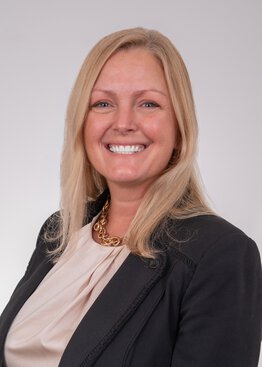
Tatiana Davidson, Ph.D.
Director, Center of Excellence in Behavioral Health Nursing
Co-Director, Trauma Resilience and Recovery Program (TRRP)
Endowed Chair of Innovation in Behavioral Health
Professor, College of Nursing
View Faculty Profile
open_in_new
View Provider Profile
open_in_new
View Research Profile
open_in_new
Dr. Tatiana Davidson is a tenured professor of Nursing and Psychiatry at the Medical University of South Carolina. She is the Endowed Chair of Innovation in Behavioral Health and director of the Center of Excellence in Behavioral Health Nursing in the College of Nursing. Her research has focused on the development, evaluation, and implementation of technology-enhanced resources and clinical programs to improve access and quality of care available to youth, adults, and families who develop mental health conditions secondary to traumatic events. To this end, Dr. Davidson has acted as principal investigator and co-investigator in numerous well-designed and federally, state, and foundation-funded (i.e., National Institutes of Health, Duke Endowment Foundation, Victims of Crime Program) studies focused on the development, evaluation, and implementation of technology-enhanced clinical programs and interventions for addressing health (e.g., diabetes) and mental health (e.g., posttraumatic stress disorder) problems among trauma-affected children, teens, and adults.
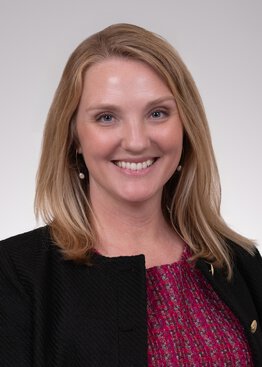
Leigh Ridings, Ph.D.
Assistant Professor, College of Nursing
Leigh Ridings, Ph.D. is an Assistant Professor of Nursing and Psychiatry at the Medical University of South Carolina (MUSC) and a Licensed Clinical Psychologist. She received her BS from the University of Kentucky and PhD from Oklahoma State University with an emphasis in clinical child psychology. She completed her internship at Baylor College of Medicine and her postdoctoral research fellowship at MUSC. Dr. Ridings is the Associate Director of Child and Family Services for the Trauma Resilience and Recovery Program (TRRP) at MUSC, an interdisciplinary service that provides evidence-based mental health screening, education, and treatment for children and adults hospitalized for traumatic injury.
Margaret Anton, Ph.D.
Postdoctoral Fellow
Dr. Anton is a Postdoctoral Fellow with TRRP. She is a clinical psychologist and supports research and clinical initiatives.

Jennifer Winkelmann, LPC
Program Manager
Ms. Winkelmann is the Program Manager of TRRP and a licensed professional counselor. She leads the program data management and supports research initiatives.

Olivia Eilers, BS
Program Coordinator & Training Manager
Ms. Eilers is the Program Coordinator and Training Manager of TRRP. She coordinates patient care and trainings through the clinic. She also leads daily operations.
Meagan Mack, MA
Program Coordinator
Ms. Mack is a program coordinator with TRRP. She supports daily operations including screening, treatment, coordinating patient care, and research initiatives.
Partner Sites
TRRP is expanding to other locations in South Carolina! Find a program coordinator at our partner sites below:Prisma Health, Columbia, SC (formerly Palmetto Health)
Program Coordinator:Jeannie Fuller, BSN
803-434-6230
Trident Medical Center
Program Coordinator:Jesse Walker, BS
843-996-0414
