



Kidney Transplant
Since 1968, MUSC Health’s transplant team has helped thousands of patients with end-stage renal disease live longer, fuller lives through kidney transplant surgery.
As one of the largest kidney transplant programs in the country, our transplant surgeons perform nearly 400 kidney transplants annually. If your kidney failure no longer responds to other treatments, transplant can provide new hope.
Leading the way in kidney transplant.
410
Kidney transplants performed by MUSC program
for 2021
5,618
Total kidney transplants performed at MUSC Charleston
for 2021
#4
National rank for kidney surgery volume
for 2021
94.8%
1-year kidney graft survival rate
Charleston, FY21
Our kidney transplant experts are here for you.
Experts at our Transplant Center collaborate to develop your personalized kidney transplant plan, and we’re with you every step of the way. Each kidney surgeon and nephrologist is board-certified and has received additional training to better care for transplant patients. Many other team members, like nurses and pharmacists, have dedicated their careers to providing care specifically to transplant patients.
Top surgical expertise.
Many kidney transplants at MUSC Health involve high-risk patients, like people with pulmonary hypertension or certain heart conditions. Our kidney surgeons are certified by the American Society of Transplant Surgeons, which means they have the expertise they need to handle even the most challenging cases. And thanks to the skill of our entire team, our surgical outcomes exceed national averages.
Lasting treatment solutions.
For people living with end-stage renal disease that other therapies cannot manage, kidney transplant surgery can provide a new lease on life. This surgery can improve your quality of life by eliminating the need for dialysis and dietary restrictions.
In some cases, patients living with both kidney failure and insulin-dependent diabetes may benefit from a simultaneous pancreas-kidney transplant. This lifesaving procedure corrects both kidney failure and diabetes at the same time.
A living kidney donation.
Many people receive a kidney transplant through MUSC Health’s Living Donor Program. This program allows a living person to donate one of their kidneys to you. Usually, living kidney donation is faster and provides a kidney that will last longer compared to kidneys from deceased donors.
Shorter recovery period.
Our in-hospital recovery period is one of the shortest nationwide. In the majority of cases, people spend no more than three days in the hospital after kidney transplant surgery at MUSC Health.
The CMS Increasing Organ Transplant Access (IOTA) Model
This MUSC Health kidney transplant program has been selected by the Centers for Medicare & Medicaid Services (CMS) to participate in the Increasing Organ Transplant Access (IOTA) Model. The IOTA Model aims to increase access to life-saving transplants for patients living with end-stage renal disease (ESRD) and reduce Medicare expenditures.
IOTA Beneficiary Notification (English)
This model focuses on providing incentives to selected kidney transplant hospitals to increase transplantation and is designed to support greater care coordination, improved patient-centeredness in the process of being waitlisted for and receiving a kidney transplant, and greater access to kidney transplants.
Through the IOTA Model payments and policies, CMS aims to increase the care delivery capabilities and efficiency of kidney transplant hospitals selected for participation, with the goal of improving quality of care while reducing unnecessary spending. The IOTA Model only affects payments in Original Medicare and does not affect payments or services for Medicare Advantage Plans, Medicare Prescription Drug Plans, or private health insurance plans.
As a patient, the IOTA Model does not change your existing Medicare benefits, choices, or protections. We cannot limit your choice of health care providers or Medicare-covered medically necessary services or treatment options. You still have the right to visit any doctor, hospital, or other provider that accepts Original Medicare at any time, just like you do now.
Medicare shares information about your care with your health care providers such as dates and times you visited a health care provider and your medical conditions. Sharing your data helps make sure all the providers involved in your care have access to your health information when and where they need it.
We value your privacy. IOTA participants must put important safeguards in place to make sure all your health care information is safe. We respect your choice on how your health care information is used for care coordination and quality improvement.
If you don’t want Medicare to share your health care data information, call 1-800-MEDICARE (1-800-633-4227). Tell the representative that your health care provider is part of the IOTA Model, and you don’t want Medicare to share your health care information. Beneficiaries who are deaf, hard of hearing, deaf-blind, or have speech disabilities should call 1-877-486-2048.
As a Medicare patient, you can choose or change your provider at any time. Your nephrologist is the health care provider responsible for coordinating your overall care for your kidney-related disease. Your nephrologist can help you make informed decisions about your health care, track your treatment, and monitor your health outcomes.
If you have questions or concerns about the quality of care or other services you receive from your provider, you can contact 1-800-MEDICARE (1-800-633-4227). TTY users can call 1-877-486-2048. You may also visit the website: https://www.Medicare.gov.
If you suspect Medicare fraud or abuse from your IOTA provider or any Medicare provider, we encourage you to make a report by contacting the HHS Office of Inspector General (1-800-HHS-TIPS).
If you believe your privacy rights have been violated, you may file a privacy complaint with CMS (visit Medicare.gov, or call 1-800-MEDICARE) or with the U.S. Department of Health and Human Services (HHS), Office for Civil Rights (visit hhs.gov/hipaa/filing-a-complaint). Filing a complaint won’t affect your coverage under Medicare.
Inclusion criteria:
- Diagnosis of irreversible kidney failure classified as CKD stage IV or V.
- Underlying kidney diseases/conditions associated with the need for kidney transplant may include hypertension, diabetes, glomerulonephritis, systemic lupus erythematosus, polycystic kidney disease, Goodpasture’s syndrome, chronic pyelonephritis, interstitial nephritis, post-streptococcal glomerulonephritis, Wegener’s granulomatosis, hemolytic uremic syndrome, unresolved acute tubular necrosis, focal segmental glomerulosclerosis, membranous glomerulonephritis, IgA nephropathy, drug toxicity, and other chronic irreversible kidney failure conditions.
- Kidney transplantation is indicated when chronic irreversible kidney failure is diagnosed.
- Patients are generally considered for evaluation when creatinine clearance is less than 30 cc/minute.
- Patients begin to accrue waiting time when creatinine clearance is less than 20 cc/minute.
- Patients usually require dialysis when creatinine clearance is less than 10 cc/minute.
- The patient’s likelihood of compromised quality of life is significantly greater without transplantation than with transplantation.
- The condition that led to the patient’s kidney problem is unlikely to cause rapid deterioration of the newly transplanted kidney.
- Following successful transplantation, the patient will be able to rehabilitate and return to a functional status that provides improved quality of life consistent with the expectations of the patient and family.
- No systemic illness exists independent of kidney dysfunction that would severely compromise survival.
- All alternative medical and surgical therapies have been considered and excluded as suitable options to improve quality of life.Adequate social, family, and financial support exists to support the patient in all phases of transplantation.
Relative contraindications:
- Severe malnutrition, including poor wound healing or risk of cutaneous infection.
- Functional status that impairs the individual’s ability to perform activities of daily living.
- Active alcohol or illegal substance abuse, or prior alcohol or illegal substance abuse with less than 6 months abstinence and without successful rehabilitation and continuing aftercare; alcohol or substance abuse consult may be required.
- Inability to understand the procedure and potential risks associated with it.
- History of non-compliance with medical care felt by the transplant team to be severe enough to adversely affect clinical outcomes.
- Inadequate funding for any part of the transplant process, including post-transplant housing, medications, and ancillary support as determined by the transplant team.
- Inadequate support system to assist with care before and after transplant.
- Current psychiatric disorder, especially one likely to interfere with compliance.
- Poor life expectancy due to other medical conditions.
- Diagnosis of HIV.
- Peripheral vascular disease.
- Pulmonary hypertension.
- Thrombotic microangiopathy.
- Calciphylaxis.
- Child’s A cirrhosis of the liver.
- BMI greater than 40 kg/m2 with comorbidities.
- Atypical Hemolytic-Uremic Syndrome (aHUS).
- Treated or controlled sickle cell disease.
- Lives more than 9 hours of driving distance from the transplanting center.
Absolute contraindications:
- Malignancy within the past 2 years, other than certain tumors such as skin or kidney.
- Active infections the medical team deems would affect the outcome of the transplant.
- Active immunological diseases such as Wegener’s, lupus, and Goodpasture’s syndrome.
- Child’s B/C cirrhosis with documented portal hypertension.
- Cardiovascular or pulmonary disease sufficiently severe to preclude surgery.
- Uncontrolled sickle cell disease.
- Severe osteoporosis with symptomatic compression fractures.
- Neurological diagnosis or impairment that would prevent successful post-transplant outcomes.
- Ongoing illegal substance abuse that will impact the success of kidney transplant.
- BMI greater than 45 kg/m2 for any patient.
- Severe peripheral vascular disease.
What to expect throughout your kidney transplant journey.
Evaluation and waiting list.
The first step to a kidney transplant is a thorough evaluation and screening process. This process includes gathering information about your medical history, conducting lab work and performing medical tests, like an EKG and a chest X-ray. You’ll also meet with several members of our transplant team to determine if you’re a good candidate for transplant.If a kidney transplant is a safe option for you, we will place you on the United Network for Organ Sharing (UNOS) kidney transplant waiting list. UNOS determines who receives kidneys from deceased donors based on several factors, including blood type, medical urgency, and time spent on the waiting list.
Kidney transplant surgery & recovery.
When UNOS matches you with a kidney, we will call you for surgery. On average, kidney transplant surgery takes two to four hours. After surgery, you’ll spend several hours in recovery before being transferred to our dedicated organ transplant unit.Your team closely monitors your health even after we discharge you from the hospital. If questions or concerns arise, you can always reach your transplant team – we’re available 24 hours a day, seven days a week.
Transplant versus dialysis.
Over 3,000 South Carolina residents live normal lives thanks to a kidney transplant. Hear stories from patients and learn more about the transplant process.
Inside the MUSC Health Kidney Transplant Program.
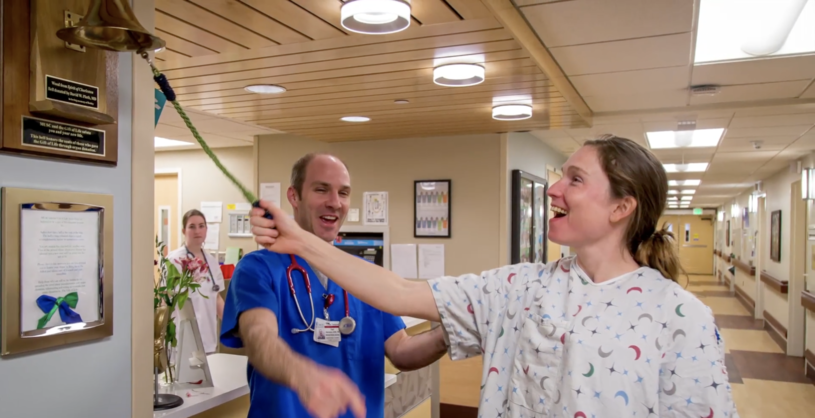
Your Kidney Transplant
Learn about Kidney Transplant at the MUSC Health Transplant Center.

Jason's Story
Jason discusses his experience working with Dr. Baliga and MUSC Health's transplant program.

Kevin's Story
MUSC transplant specialist-turned kidney recipient, Kevin Carson, relates to patients like never before.
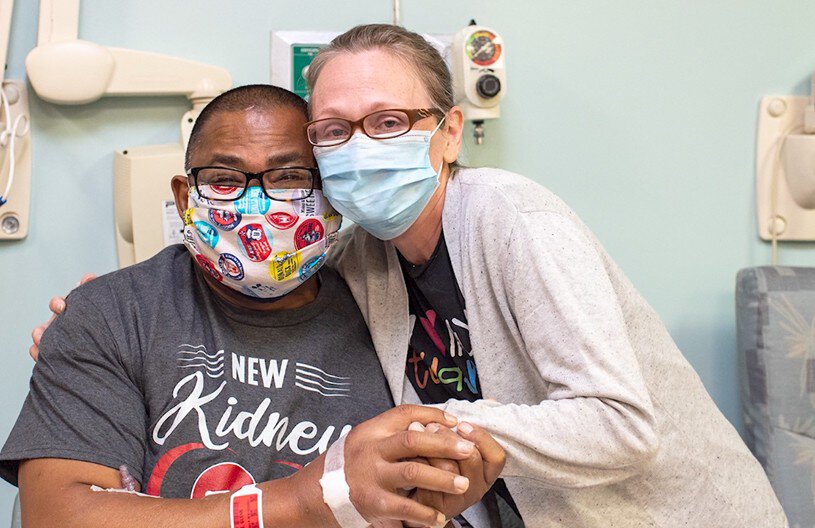
The Living Donor Program
Listen as Dr. Posadas Salas discusses the highlights of the Kidney Transplant Program - the state's only solid organ transplant center.

Virtual Transplant Evaluation
MUSC Health's kidney transplant program adopted a virtual platform for evaluating potential patients during COVID-19.
Learn More
open_in_new
We’ll support you every step of the way.
Because transplant is a tremendous life change, we’re committed to supporting our patients like they are our own family. Our transplant team members can assist you by:Helping you find housing and transportation while you stay in Charleston.
Making sure each aspect of your insurance coverage is in order.
Organizing your appointments to make your visit as smooth as possible.
MUSC Health also hosts a monthly kidney transplant support group. Here, you can meet other transplant recipients and living kidney donors to share stories, get advice, and connect with others who know exactly what you’re going through. Learn more about our patient support services.
Contact Us
For more information about kidney transplant, or to speak with a Transplant Coordinator, please contact MUSC Health at 800-277-8687.We’re advancing transplant surgery every day.
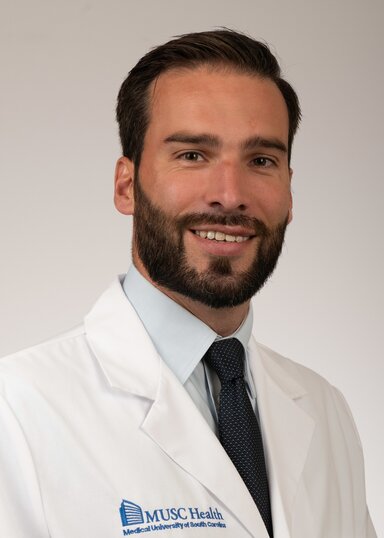
MUSC News + Transplant
Something old – faith and friendship – and something new – robotic kidney transplantation –...
MUSC News + Heart and Vascular Care
MUSC’s heart transplant success leads to inclusion in Heart Association research network

MUSC News + Childrens Health
'Old soul’ from N. Myrtle Beach becomes first child to get heart re-transplant in SC
